





Selecting a compliant umbrella company is one of the most important decisions a contractor can make. While many umbrellas operate correctly, some still cut corners or rely on unclear payroll practices. As a result, contractors can face unexpected deductions, tax issues, or future HMRC queries.
Fortunately, spotting a compliant umbrella does not require expert knowledge. Instead, it comes down to asking the right questions and knowing what good looks like. A great place to start with what good looks like, is with our list of Top 10 Umbrella Companies.
1. Confirm the Umbrella Operates Full PAYE
First and foremost, a compliant umbrella company must operate full PAYE. This means all income is taxed at source, with no alternative payment methods involved.
A compliant umbrella will:
Tax all earnings through PAYE
Avoid loans, advances, or credit arrangements
Pay from a UK bank account
Show tax and National Insurance clearly on payslips
If an umbrella promotes unusually high take-home pay, caution is essential.
2. Review Payslip Transparency Early
Next, contractors should review a sample payslip before signing up. Clear payslips often signal strong compliance.
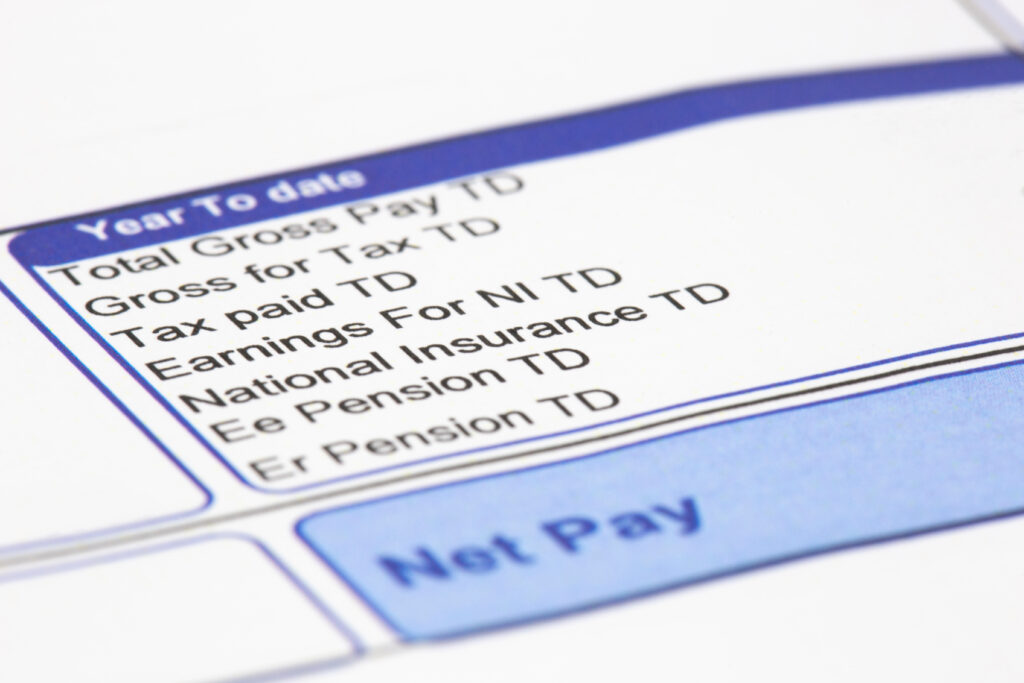
A compliant payslip should show:
Assignment rate received
Employer costs
Gross taxable pay
Employee deductions
Holiday pay
Net pay
If figures appear vague or bundled together, this may indicate weak payroll controls. If you need help understanding how Umbrella Company payslips work, we have created a useful guide.
3. Check the Key Information Document Carefully
The Key Information Document (KID) explains how pay should work before employment begins. Therefore, it plays a vital role in compliance.
Contractors should confirm the KID:
Matches the assignment rate
Clearly shows employer costs
Explains holiday pay treatment
Provides realistic take-home estimates
Any disconnect between the KID and actual pay deserves attention.
4. Understand How Holiday Pay Is Managed
Holiday pay causes confusion across the market. However, compliant umbrellas explain it clearly.
A compliant provider will:
Explain whether holiday pay is accrued or advanced
Show holiday pay clearly on payslips
Avoid withholding holiday pay without explanation
Transparency here often reflects wider payroll standards.
5. Review Umbrella Margin and Deductions
Umbrella margins should be simple and consistent. As a rule, compliant umbrellas charge a fixed, clearly stated margin.
Contractors should expect:
A flat weekly or monthly fee
No hidden administration charges
No fluctuating deductions
Unexpected changes usually indicate poor governance.
6. Ask How Payroll Is Operated and Managed
More umbrella companies now use outsourced payroll models. While outsourcing can reduce costs, oversight still matters.
A compliant umbrella will:
Retain responsibility for payroll decisions
Explain who processes payroll and where
Demonstrate strong data protection controls
Act quickly when issues arise
Ultimately, accountability should never feel unclear.
7. Check Pension and Employment Rights
Umbrella employees are entitled to statutory employment rights. Therefore, pension compliance matters.
A compliant umbrella will:
Auto-enrol eligible workers into a pension
Show pension deductions clearly
Provide opt-out information
Offer statutory sick and family leave where applicable
Missing pension information often signals wider issues. For more advice on Pensions, the Pension Regulator is a great source of information.
8. Be Wary of Pressure or Limited Choice
Finally, contractors should remain cautious if they feel pressured to use a specific umbrella.
Warning signs include:
Being told only one option is allowed
Promises of guaranteed higher take-home pay
Overly complex explanations about deductions
A compliant umbrella does not rely on pressure tactics.
Final Thoughts
Knowing how to select a compliant umbrella company gives contractors confidence and control. While no provider is perfect, transparency, clarity, and accountability remain the strongest indicators of compliance.
By checking payslips, reviewing documentation, and asking direct questions, contractors can significantly reduce risk and protect their income.