





Knowing how to handle legitimate umbrella expenses in 2026 is essential for contractors who want clarity, compliance, and realistic expectations around take-home pay.
Since the removal of most travel and subsistence relief, expense claims under umbrella companies have become far more restricted. However, this does not mean expenses have disappeared entirely. Instead, the rules are clearer — and stricter — than ever.
Contractors who understand what remains allowable can avoid confusion, reduce risk, and spot non-compliant practices early.
Why Expense Rules Changed for Umbrella Workers
The tightening of expense rules was designed to prevent misuse and protect workers from disguised remuneration schemes.
Today, umbrella companies must:
Apply PAYE to all taxable income
Follow HMRC’s supervision, direction, or control (SDC) rules
Prevent artificial expense claims
As a result, only genuine, necessary, and allowable expenses can be reimbursed. With legitimate Umbrella Companies focusing on compliance, there are key checks you can do to ensure they are up to scratch!
What Most Contractors Can No Longer Claim
For most umbrella workers in 2026, common expenses are no longer tax-deductible.
These typically include:
Home-to-work travel
Daily commuting costs
Meals purchased during normal working hours
Standard accommodation near an assignment
If an umbrella suggests these are still claimable, it should raise immediate concerns.
Legitimate Expenses That May Still Apply
Although the rules are strict, some legitimate expenses can still apply in limited circumstances.
These may include:
Temporary workplace travel where SDC does not apply
Business mileage for journeys between client sites
Professional subscriptions required for the role
Equipment or uniforms that are essential and not provided
Each expense must meet HMRC’s “wholly, exclusively, and necessarily” test.
Mileage Claims: One of the Most Common Allowables
Mileage remains one of the more common legitimate expense areas.
Contractors may be able to claim mileage for:
Travel between multiple client locations
Travel to training required by the role
Business journeys that are not ordinary commuting
Mileage rates must align with HMRC-approved thresholds and be accurately recorded.
Professional Fees and Subscriptions
Certain professional costs may still qualify as allowable expenses.
These can include:
Membership fees for approved professional bodies
Industry certifications required to perform the role
Mandatory training costs
Subscriptions must be directly linked to the work being carried out.
How Expense Reimbursements Should Appear on Payslips
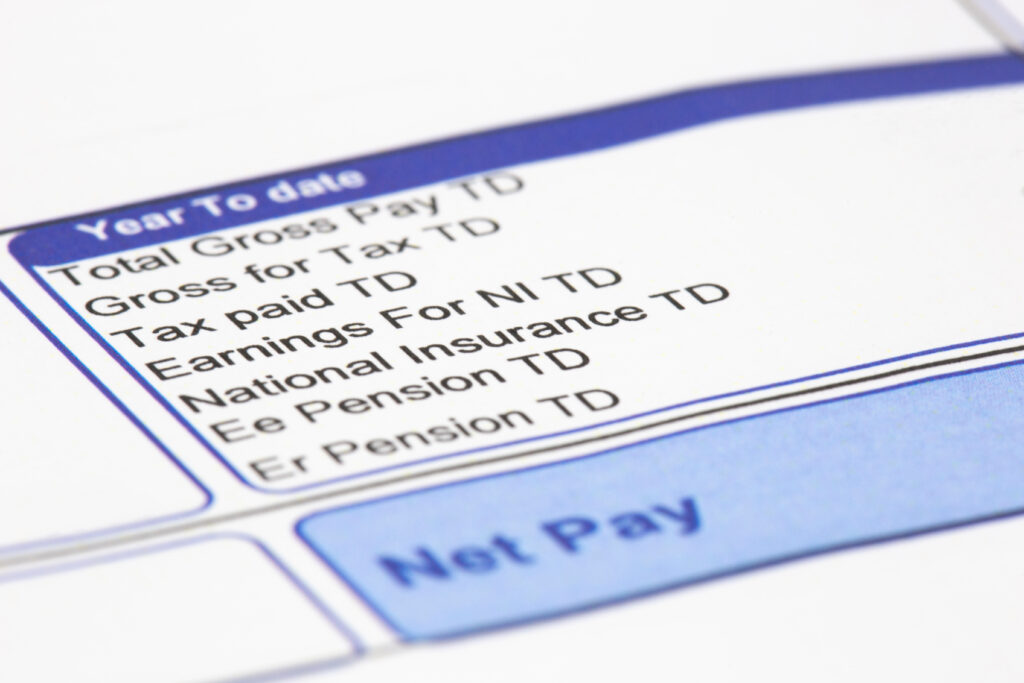
Legitimate expenses should always be clearly displayed on payslips.
Contractors should expect:
Separate expense line items
Clear distinction between taxable pay and reimbursements
Supporting documentation requests
If expenses are bundled into pay or used to inflate take-home pay, this may indicate non-compliance. Understanding your payslip and the deductions within it, is more important than ever.
Why “Higher Take-Home Pay” Expense Schemes Are Risky
Some schemes still market expense-based pay enhancements in 2026.
These arrangements often:
Misclassify ordinary commuting as business travel
Use flat-rate expense assumptions
Reduce taxable pay artificially
HMRC has consistently challenged these models, leaving contractors exposed to future tax bills.
The Contractor’s Responsibility in 2026
While umbrella companies handle payroll, contractors remain responsible for understanding how expenses are treated.
Contractors should:
Ask for written expense policies
Keep receipts and mileage logs
Question anything unclear
Avoid umbrellas that oversimplify expenses
Clarity protects both income and compliance.
Using the Start of a New Tax Year to Review Expenses
The start of the 2026 tax year is a good opportunity to review expense arrangements.
Contractors should confirm:
What expenses are permitted
How claims are submitted
How reimbursements are shown on payslips
Whether policies have changed
This helps prevent misunderstandings later in the year.
Final Thoughts
Maximising legitimate umbrella expenses in 2026 is less about finding loopholes and more about understanding the rules.
While expense relief is limited, legitimate claims still exist when handled correctly. Contractors who focus on transparency, accurate record-keeping, and compliant umbrella providers are far better protected.
When it comes to expenses, if something sounds too good to be true, it usually is.