








































































The phrase contractor changes 2026 is already appearing more frequently — and for good reason. The year ahead is expected to bring some of the biggest shifts contractors have seen since IR35 reform first reshaped the market.
From tighter umbrella company regulation to greater supply chain accountability, 2026 will change how contractors work, get paid, and protect their income. Understanding these changes early is essential. Those who prepare will adapt smoothly, while those who don’t may face pay disruption, compliance risks, or limited work options.
This guide breaks down what contractors should expect as 2026 arrives and explains how to stay ahead of the changes.
1. Greater Regulation of Umbrella Companies
One of the most significant contractor changes in 2026 is the expected introduction of stronger umbrella company regulation. After years of consultation and industry pressure, the government has signalled that umbrellas will no longer operate in a lightly regulated space.
Contractors are likely to see:
-
Clearer rules around payroll deductions
-
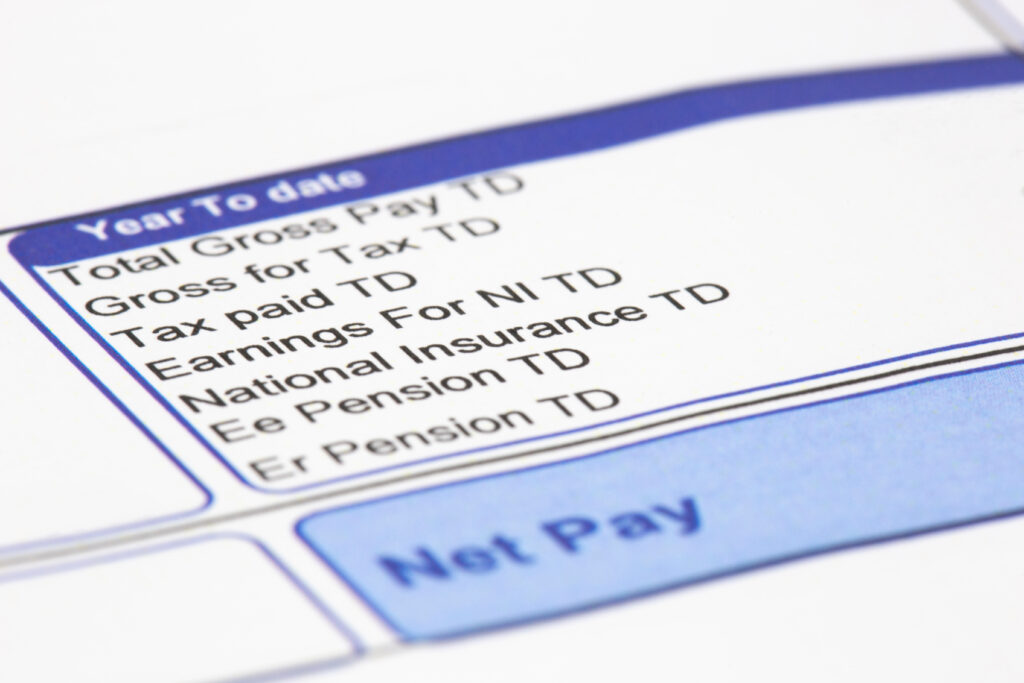
Mandatory transparency on payslips
-
Stricter enforcement against non-compliant umbrellas
-
Fewer loopholes for disguised remuneration schemes
As a result, compliant umbrellas should become easier to identify — while risky operators are pushed out of the market.
2. Increased Accountability Across the Supply Chain
Another major shift in 2026 is how responsibility is shared across the labour supply chain. Agencies and end clients are expected to face greater accountability for the umbrellas they engage with.
In practice, this may mean:
-
Stricter Preferred Supplier Lists (PSLs)
-
Fewer umbrella options for contractors
-
More due diligence before onboarding
-
Less tolerance for “high take-home pay” models
While this could initially limit choice, it should improve overall standards and reduce contractor exposure to tax risk.
3. Pay Transparency Will Become the Norm
For years, contractors have struggled with confusing payslips and unexplained deductions. In 2026, that is set to change.
Pay transparency is expected to improve through:
-
More detailed payslip requirements
-
Clear separation of assignment rate and gross pay
-
Better explanation of employer costs
-
Stronger alignment between KIDs and actual pay
Contractors who understand their payslips will be better placed to spot issues early and challenge discrepancies confidently.
4. IR35 Will Remain — but Its Impact Will Continue to Evolve
Despite ongoing frustration, IR35 is not going away in 2026. However, its practical impact on contractors will continue to evolve.
More roles are expected to:
-
Default to umbrella engagement
-
Require stronger status assessments
-
Include tighter compliance checks
Contractors operating outside IR35 will still exist, but they may need to work harder to demonstrate genuine independence and business-to-business engagement.
5. Holiday Pay and Employment Rights Under the Spotlight
Employment rights are another area likely to gain attention in 2026. Holiday pay, in particular, remains one of the most common sources of contractor complaints.
Expected developments include:
-
Better enforcement of holiday pay rules
-
Clearer disclosure in KIDs
-
Reduced misuse of rolled-up holiday pay
-
Greater awareness among contractors of their entitlements
Contractors who understand their employment rights will be better protected as enforcement increases.
6. Fewer “Too Good to Be True” Pay Models
One of the quieter but most welcome contractor changes in 2026 could be the decline of unrealistic take-home pay promises.
As enforcement tightens:
-
Loan-based schemes should become rarer
-
Offshore payroll models face greater scrutiny
-
Mini-umbrella arrangements are more likely to be challenged
This should reduce the risk of contractors being unknowingly pulled into tax avoidance arrangements.
7. What Contractors Should Do Now to Prepare for 2026
Preparation is key. Contractors who act early will experience fewer disruptions as changes take effect.
Practical steps include:
-
Reviewing your current umbrella company
-
Comparing your payslips against your KID
-
Asking questions about deductions and holiday pay
-
Avoiding umbrellas promising unusually high take-home pay
-
Staying informed about upcoming reforms
Switching to a transparent, compliant umbrella before 2026 may save time and stress later. Here you can compare our Top 10 Umbrella Companies.
Final Thoughts
Welcome 2026 marks a new chapter for contractors. While change often brings uncertainty, it also brings opportunity. Better regulation, clearer pay structures, and stronger compliance should ultimately benefit contractors who want fair, transparent treatment.
Understanding the contractor changes coming in 2026 allows you to make informed decisions — and protect both your income and your career.