








































































When you work through an umbrella company, contracts ending is part of the job. Still, many contractors are unsure what this actually means for their employment, pay, and employment rights.
Does your umbrella employment end automatically?
Do you need a new contract for your next role?
And what happens to your holiday pay?
Here’s what really happens when an umbrella contract ends, and what you should expect.
Does Your Umbrella Employment End When a Contract Ends?
In most cases, no.
When an assignment ends, your contract with the agency or end client finishes, but your employment with the umbrella company usually continues. You remain an employee of the umbrella company unless:
-
You resign
-
The umbrella company formally terminates your employment
-
Your employment contract allows termination after a long period with no work
Most umbrella companies allow contractors to remain employed between assignments, especially where gaps are short.
Always check your employment contract, as policies can differ between providers.
What Happens to Your Pay?
Once your assignment ends:
-
You stop submitting timesheets
-
You stop receiving PAYE income
-
No salary is processed until a new assignment starts
There is no redundancy or notice pay from the agency or end client. The contract has simply reached its agreed end date.
Any approved but unpaid timesheets should still be processed in the usual payroll run.
What Happens to Holiday Pay?
Holiday pay is one of the most common areas of confusion when a contract ends.
Your holiday pay depends on how your umbrella company operates:
-
Accrued holiday pay is usually held back and paid when you take leave or when employment ends
-
Rolled-up holiday pay is already included in your regular pay
If your employment with the umbrella company ends completely, any unused accrued holiday pay should be paid in your final payslip.
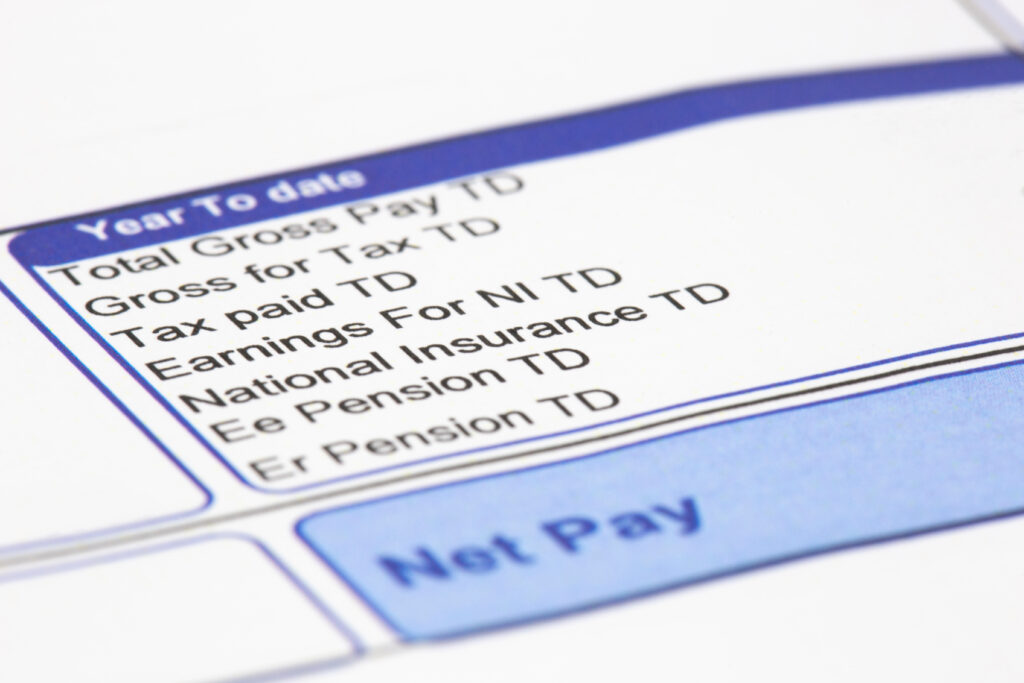
Your payslip should clearly show how holiday pay is being handled.
Do You Need a New Employment Contract for a New Assignment?
Usually not.
If you stay with the same umbrella company, your existing employment contract normally stays in place. For each new role, you’ll complete a new assignment schedule with details of:
-
The agency
-
The end client
-
The contract rate and duration
If you decide to move to a different umbrella company, you’ll need to sign a new employment contract.
What If There Is a Gap Between Contracts?
Gaps between contracts are common for contractors.
During a gap:
-
You are still employed but unpaid
-
You will not receive salary without timesheets
-
Holiday pay does not usually accrue unless specifically stated
If a gap becomes long, some umbrella companies may end employment and rehire you when a new contract starts. This should always be communicated clearly.
Can an Umbrella Company Terminate Your Employment?
Yes, but it must follow the terms of your employment contract.
An umbrella company may end employment if:
-
You request it
-
There is no work for an extended period
-
The contract allows termination after inactivity
If your employment ends, you should receive:
-
A P45
-
Final pay
-
Any outstanding holiday pay
A compliant umbrella company will explain this process clearly and in writing.
What Contractors Should Check When a Contract Ends
Before your assignment finishes, it’s worth confirming:
-
Whether your umbrella employment continues
-
How your holiday pay is handled
-
That all timesheets and expenses are submitted
-
Whether a P45 will be issued
If anything is unclear, ask. Transparency is a key sign of a compliant umbrella company.
Summary
When a contract ends, it usually does not mean the end of your umbrella employment. For most contractors, employment continues until a new assignment starts or until employment is formally ended.
Understanding how umbrella employment works at contract end helps you avoid missed holiday pay, unexpected P45s, and unnecessary stress.