






































































Contractors across the UK rely on umbrella companies for simple payroll, steady compliance, and peace of mind. Most umbrellas operate within the rules and charge fair, clear fees. The trouble starts when a provider pushes a “Pay Now, Tax Later” scheme. These schemes promise high take-home pay today with tax pushed far into the future. They are almost always non compliant. They also put the worker at risk, not the provider.
If you are weighing your options or checking your current setup, here are the warning signs to watch for.
1. Unrealistic Take Home Pay
A compliant umbrella pays you through PAYE. Your take home will usually fall within a realistic range once tax, National Insurance, the Apprenticeship Levy, and umbrella fees are applied.
If a company claims you can keep 80 percent, 85 percent, or anything far above standard PAYE levels, treat it as a major red flag. High returns usually mean hidden structures, offshore tricks, or deferred tax arrangements. HMRC does not accept “the umbrella told me to” as a defence.
2. Payment Split Into “Loans” or “Advances”
“Pay Now, Tax Later” schemes often involve two payments. One is small and processed through PAYE. The second is larger and described as a loan, credit, advance, grant, or similar. This second payment is not taxed. The pitch is that you will pay tax later, or never.
HMRC has made it clear that these arrangements count as disguised remuneration. Sooner or later, the tax is due. Workers who sign up often face large bills, penalties, and stress years down the line.
3. Complex Offshore or Trust Structures
Some schemes rely on offshore entities, trusts, or third party organisations. You may be told these structures make the scheme legal. In reality, complexity is used to hide non compliance. If an umbrella cannot explain your pay in clear, simple terms, step back and reassess.
4. No Written Breakdown of Deductions
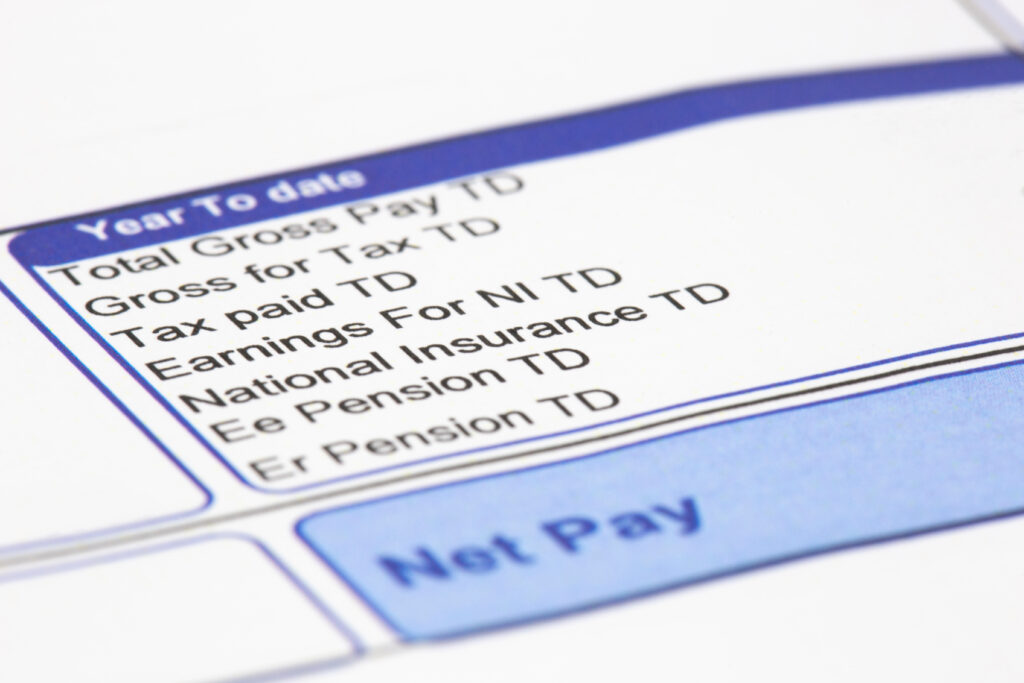
A reputable umbrella provides a full pay illustration and a clear payslip that shows:
-
Gross pay
-
Tax and National Insurance
-
Employer costs
-
Umbrella margin
-
Your final take home pay
If any umbrella refuses to give you a full breakdown, or gives vague answers when you ask for it, consider it a warning sign.
5. Pressure to Sign Quickly
Schemes thrive on speed. You may be told the offer is “limited”, “exclusive”, or “about to end”. Pushy sales tactics are designed to keep you from checking the details. A good umbrella gives you space to read documents, ask questions, and compare options.
6. No Accreditation or Compliance Evidence
Look for an umbrella that can show proof of compliance, audits, and membership in recognised industry bodies. While accreditation alone does not guarantee safety, a lack of it is a signal to be cautious. Schemes with risky models often avoid any form of oversight.
7. Confusing Language About Deferred Tax
If a provider says you will pay tax “later”, ask when. Ask how it works. Ask what legislation supports the claim. If they cannot give a clear answer backed by actual rules, you are likely being drawn into a disguised remuneration scheme.
The Risks You Face
Joining a non compliant umbrella can lead to:
-
Large HMRC tax bills
-
Penalties and interest
-
Risk to future credit or mortgage applications
-
Stress and long investigations
-
Loss of income if the scheme collapses
The umbrella itself may disappear, change name, or move offshore, leaving you to deal with the fallout.
How to Protect Yourself
You can lower your risk by following simple steps:
-
Check expected take home. If it seems too high, it probably is.
-
Ask for full pay illustrations. Insist on detailed, written calculations.
-
Read reviews. Look for consistent feedback from contractors, not just filtered testimonials.
-
Keep everything in writing. If anything feels unclear, stop and request documentation.
-
Use well known, fully compliant umbrellas. Reliability matters more than flashy claims.
Final Thoughts
“Pay Now, Tax Later” schemes are one of the biggest dangers facing UK contractors. The short term gain is simply not worth the long term risk. A trustworthy umbrella will treat compliance as standard, not optional, and will always explain your pay in plain language.
If you want safe, clear, and compliant umbrella choices, UmbrellaCompanies.org.uk can help with our Top 10 Umbrella Companies.