






































































IR35 continues to shape how contractors are paid and taxed in the UK. While the core rules haven’t changed in 2026, the way umbrella companies are regulated has. For workers paid through an umbrella company, understanding how IR35 fits into the bigger picture is more important than ever.
This guide explains what IR35 means in 2026, what has changed around umbrella companies, and what umbrella workers should be aware of going forward.
What Is IR35 and Why Does It Matter?
IR35 is tax legislation designed to stop “disguised employment.” In simple terms, it looks at whether someone working as a contractor is actually working like an employee.
If HMRC decides a role is inside IR35, the worker must pay broadly the same tax and National Insurance as an employee. If the role is outside IR35, the worker can be paid in a more tax-efficient way, usually through their own limited company.
For umbrella workers, this matters because umbrella employment is already treated as inside IR35. That means PAYE tax and National Insurance are deducted at source, just like a standard job.
Has IR35 Changed in 2026?
The short answer is no. The IR35 rules themselves are the same in 2026 as they were in previous years.
What has changed is the focus on how contractors are paid, particularly when umbrella companies are involved. HMRC has made it clear that it wants to clamp down on tax avoidance and poor practices in the labour supply chain.
So while IR35 hasn’t been rewritten, the environment around it has tightened.
The Big Shift in 2026: Umbrella Company Regulation
The most important development for umbrella workers in 2026 is the change in liability across the supply chain.
From April 2026, HMRC can pursue unpaid PAYE tax and National Insurance from other parties in the chain if an umbrella company fails to meet its obligations. This can include recruitment agencies and, in some cases, end clients.
The goal is to stop non-compliant umbrella companies operating unchecked and to push agencies and clients to carry out proper due diligence.
What This Means for Umbrella Workers
If you work through a compliant umbrella company, these changes should offer more protection rather than less.
You Are Not the Target
Umbrella workers are not the focus of the new rules. PAYE should already be deducted from your pay, and as long as that is happening correctly, your personal risk remains low.
The pressure now sits higher up the chain to ensure only legitimate umbrella companies are used.
Fewer “Too Good to Be True” Schemes
One likely outcome of the 2026 changes is the disappearance of aggressive take-home pay schemes. Agencies and clients will be far less willing to work with umbrellas that promise inflated net pay through loans, advances, or offshore arrangements.
For workers, this should mean clearer payslips and fewer nasty surprises later.
Greater Scrutiny of Umbrella Companies
Umbrella companies are under more scrutiny than ever. Expect more emphasis on transparency, accurate payslips, and proper employment contracts.
This is good news for workers who want certainty and compliance, even if it means take-home pay looks more realistic.
How IR35 Fits In for Umbrella Workers
If you are paid through an umbrella company, your role is effectively treated as inside IR35 by default. The umbrella company employs you, deducts tax and National Insurance, and pays you through PAYE.
That means IR35 status assessments are less of a concern for umbrella workers than for limited company contractors. However, IR35 is still relevant when choosing how to work and understanding why umbrella employment is often required for certain roles.
What Umbrella Workers Should Do in 2026
There are a few sensible steps umbrella workers can take to protect themselves.
Choose a Reputable Umbrella Company
Work only with umbrella companies that operate full PAYE, provide clear payslips, and don’t rely on complicated payment structures. If something feels unclear or overly generous, it’s worth questioning.
Check Your Payslips
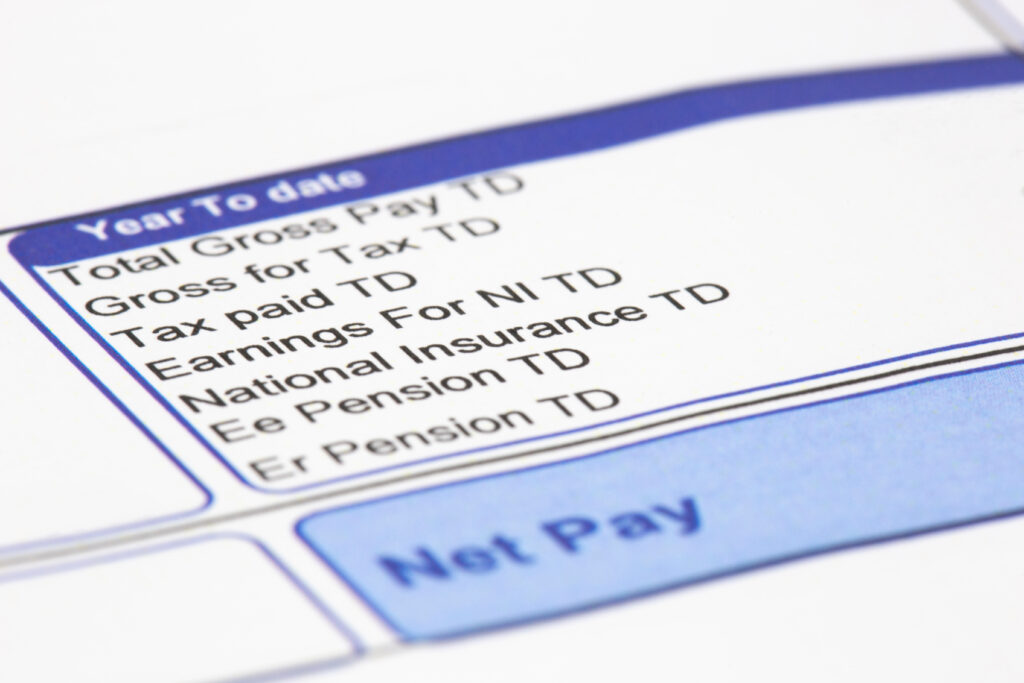
Make sure income tax and National Insurance are clearly shown and deducted. You should also see employer costs broken down transparently.
Avoid Payment Schemes
If you are offered higher take-home pay through loans, credits, or anything that doesn’t look like normal PAYE income, be cautious. These arrangements are exactly what HMRC is targeting.
Keep Records
Hold on to contracts, payslips, and assignment details. Good records make life easier if questions ever arise about how you were paid.
Final Thoughts
In 2026, IR35 remains part of everyday life for contractors, but the real story for umbrella workers is regulation and accountability.
HMRC is pushing responsibility up the supply chain, encouraging agencies and clients to work only with compliant umbrella companies. For workers, that should lead to clearer pay, fewer risky schemes, and more consistent standards across the market.
Understanding how IR35 fits into umbrella working helps you make informed decisions and avoid unnecessary risk. When in doubt, clarity and compliance are always the safer choice.