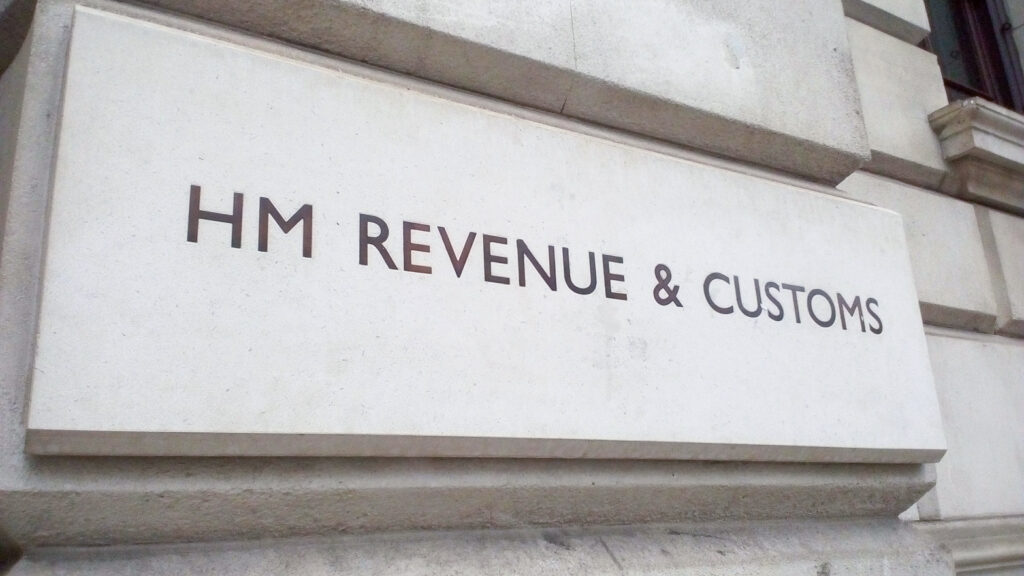





































































HM Revenue & Customs (HMRC) has issued a further update to its public register of named tax avoidance schemes, promoters, enablers and suppliers, widely referred to as the HMRC avoidance list.
The latest revision, published on 12 March 2026, adds another company believed to be involved in the promotion or supply of tax avoidance arrangements. The list is updated regularly by HMRC to help contractors, agencies and end clients identify high-risk schemes and avoid entering arrangements that may lead to unexpected tax liabilities.
The full and current list can be viewed on the official HMRC page here:
https://www.gov.uk/government/publications/named-tax-avoidance-schemes-promoters-enablers-and-suppliers/current-list-of-named-tax-avoidance-schemes-promoters-enablers-and-suppliers
Company Added in the 12 March 2026 Update
According to HMRC’s latest update, the following company has been added to the HMRC avoidance list:
-
Finsgate Contracting Limited (also referred to as FCL)
HMRC states that the business has been identified as a promoter, enabler or supplier associated with arrangements that may attempt to reduce Income Tax and National Insurance contributions through non-standard payment structures.
What Being on the HMRC Avoidance List Means
When a company appears on the HMRC avoidance list, it does not automatically mean there has been a criminal conviction. However, it indicates that HMRC believes the arrangements linked to the company present a significant risk of tax avoidance.
These types of arrangements may include:
-
Disguised remuneration structures
-
Split-pay models
-
Payments routed through offshore entities
-
Income not fully processed through PAYE
HMRC publishes this information to help taxpayers and businesses recognise and avoid schemes that could result in substantial tax liabilities later.
Why Contractors and Agencies Should Pay Attention
For contractors and recruitment businesses, the risks associated with tax avoidance schemes can be significant.
If HMRC later determines that a payment structure was designed to avoid tax, contractors may be required to repay:
-
Income Tax
-
National Insurance contributions
-
Interest and penalties
Recruitment agencies and end clients can also face compliance risks if workers were referred to arrangements that HMRC subsequently challenges.
Because of this, regular checks of the HMRC avoidance list are an important part of due diligence when selecting payroll providers.
What to Do if You Have Used a Named Provider
If you recognise a company on the HMRC avoidance list that you have previously used, consider taking the following steps:
-
Review payslips and contracts to confirm income was processed through PAYE
-
Seek independent tax advice if any payments were made outside normal payroll
-
Contact HMRC if you believe you may have been involved in a tax avoidance arrangement
-
Move to a compliant umbrella company that operates transparent PAYE payroll
For contractors looking for compliant options, you can view our independently reviewed Top 10 Umbrella Companies.
HMRC’s Ongoing Crackdown on Avoidance Schemes
The March update continues HMRC’s pattern of regularly expanding the HMRC avoidance list as part of its wider effort to tackle promoters of tax avoidance schemes.
Powers introduced through recent legislation allow HMRC to publicly name promoters and suppliers earlier in the investigation process, helping taxpayers identify and avoid potentially harmful arrangements before entering them.
This approach forms part of a broader strategy aimed at disrupting the supply chain of tax avoidance schemes across the contractor and recruitment sectors.
Final Thoughts
The 12 March 2026 HMRC avoidance list update serves as another reminder that contractors and agencies should carefully review the payroll providers they work with.
Regularly checking the HMRC avoidance list, carrying out supply-chain due diligence, and working with transparent umbrella companies can help prevent unexpected tax bills and long-term compliance issues.