





For many contractors, earning potential is one of the biggest advantages of flexible work. Day rates can be strong, opportunities can be varied, and there’s a level of independence that traditional employment often lacks.
But that flexibility comes with a trade-off. Income isn’t always predictable, benefits are limited, and long-term security depends entirely on your own decisions.
That’s why financial planning for contractors matters so much. It’s not just about managing money when things are going well. It’s about staying stable during quieter periods and making sure your future is taken care of.
The Reality of Contractor Finances
Contractors don’t have the same safety net as permanent employees. There’s no guaranteed salary coming in every month, and things like sick pay, paid holidays, or large employer pension contributions are often minimal or non-existent.
Even if you’re working through an umbrella company where taxes are handled through PAYE, your take-home pay can still vary depending on contracts, hours, and market demand.
This makes one thing clear. You can’t rely on consistency, so your financial plan needs to create it.
Start With a Clear View of Your Income
The first step is understanding what you actually earn over time, not just during your best months.
Look back over the past year and work out your average monthly income. Include any gaps between contracts, as these are part of the reality of contracting.
Once you have that number, compare it to your regular expenses. This gives you a baseline you can rely on, rather than overestimating what you can afford.
A common mistake contractors make is adjusting their lifestyle to match peak earnings. When income drops, that’s when pressure builds.
Build a Buffer for the Unpredictable
One of the simplest ways to reduce financial stress is to have a solid emergency fund.
For contractors, this isn’t optional. It’s essential.
A good target is at least three to six months of essential living costs. If your industry is less stable or contracts are harder to secure, aiming for closer to twelve months can give you real peace of mind.
This buffer gives you breathing space between roles, helps you handle late payments, and prevents you from relying on credit when income slows down.
Don’t Overlook Tax Responsibilities
Even when you’re paid through an umbrella company, it’s still important to understand how your income is being taxed.
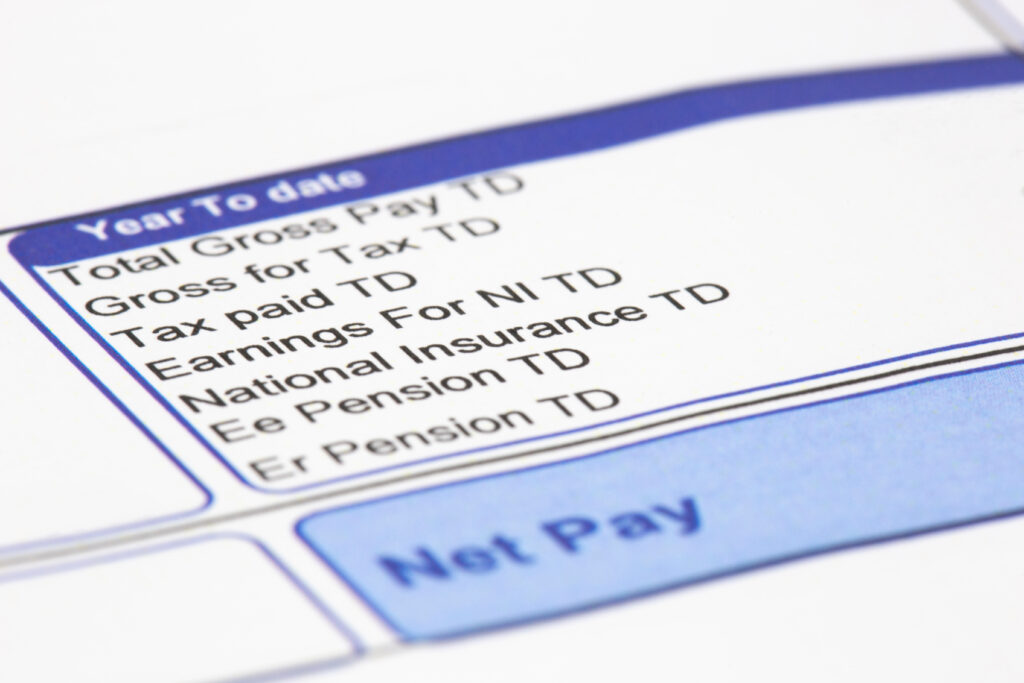
Check your payslips regularly and make sure deductions like Income Tax and National Insurance are accurate. If you have multiple income sources or additional work outside your main contract, you may still have extra responsibilities.
For those not using an umbrella structure, setting money aside for tax is critical. A simple habit of saving a percentage of each payment can prevent serious issues later on.
The key mindset shift is this: not all the money you receive is yours to spend.
Think Long-Term With Your Pension
It’s easy to put off pension planning when your income fluctuates, but this is one area where consistency really pays off.
Some umbrella companies offer workplace pensions, but contributions may be minimal. That means it’s worth considering additional options like a personal pension or a SIPP.
The important thing is to start early and contribute regularly. Even small amounts, added consistently, can grow significantly over time.
When income is strong, increasing your contributions can make a big difference without affecting your day-to-day lifestyle too much.
Keep Your Cash Flow Under Control
For contractors, cash flow is often more important than total earnings.
A practical approach is to treat your income as if it were a salary. Instead of spending freely during high-earning months, set a fixed monthly amount for yourself and keep the rest aside to smooth out quieter periods.
This creates stability and makes budgeting much easier.
It also helps avoid the cycle of overspending during busy periods and cutting back sharply when work slows down.
Protect Yourself Against the Unexpected
Without employer benefits, contractors need to think about protection more seriously.
If you’re unable to work due to illness or injury, your income can stop completely. That’s where insurance can play an important role.
Income protection, critical illness cover, and life insurance are all worth considering, especially if you have financial commitments or dependents.
It’s not about expecting the worst. It’s about being prepared for it.
Keep Spending Flexible
When income is high, it’s tempting to upgrade your lifestyle. But fixed costs can quickly become a burden if your situation changes.
Keeping your expenses lean gives you more flexibility. It means you can handle income fluctuations without major disruptions.
Simple habits like reviewing subscriptions, avoiding unnecessary long-term commitments, and keeping debt under control can make a big difference over time.
Get the Right Support
Working with an accountant who understands contractors can take a lot of pressure off.
They can help you stay compliant, explain your tax position clearly, and guide you on decisions that affect your long-term finances.
More importantly, they can help you adjust your approach as rules change or your career evolves.
Building Stability Over Time
Financial planning for contractors isn’t about complicated strategies. It comes down to a few consistent habits.
Understand what you earn on average.
Keep a financial buffer in place.
Stay aware of your tax position.
Invest in your future.
When you approach your finances this way, you create stability even when your work isn’t predictable.
And that’s what allows you to enjoy the real benefits of contracting without the stress that can come with it.