





Running an umbrella company in 2026 means operating under closer scrutiny than ever before. HMRC continues to tighten enforcement, and contractors are more aware of their rights. That combination leaves little room for error.
A clear compliance checklist is no longer just a helpful tool. It is something every umbrella company needs to stay operational, protect workers, and maintain trust with agencies.
This guide breaks down what compliance really looks like today and how to make sure your processes stand up to scrutiny.
The Role of Compliance in Umbrella Companies
Umbrella companies sit in a unique position. They employ contractors, process payroll, and act as the link between recruitment agencies and workers. Because of that, they carry responsibility on multiple fronts.
If compliance slips, the impact is immediate. Contractors may be underpaid. Agencies may cut ties. HMRC may step in with penalties.
That is why a structured, regularly reviewed compliance approach is essential.
PAYE Must Be the Foundation
At the core of every compliant umbrella company is a properly run PAYE system.
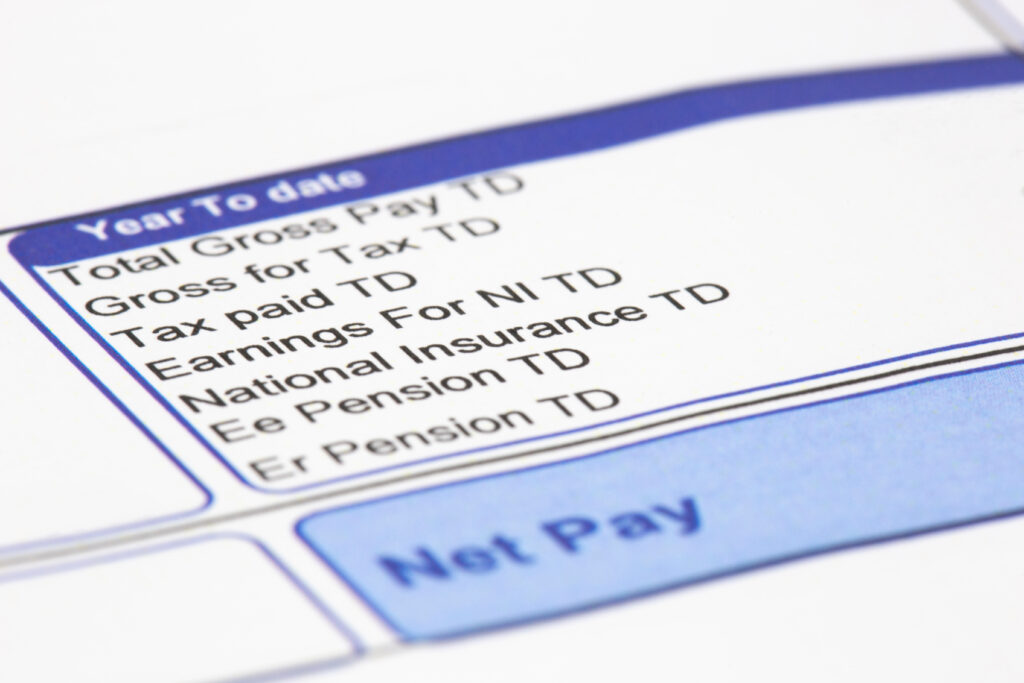
All workers should be paid through PAYE, with Income Tax and National Insurance deducted at source. Real Time Information submissions must be accurate and on time, and payslips should clearly show how pay is calculated.
There is no grey area here. If a company is offering unusually high take-home pay through complex structures, it is a warning sign. In most cases, it points to non-compliant arrangements that could create serious problems later.
Employment Status Is Not Optional
Umbrella workers are employees. That brings legal obligations that cannot be avoided.
Every worker should receive a contract that clearly explains their pay, deductions, and entitlements. This includes holiday pay, pension contributions, and any workplace policies that apply.
When contracts are vague or overly complex, misunderstandings follow. Clear documentation protects both the company and the worker.
Holiday Pay Still Causes Problems
Holiday pay remains one of the most common sources of complaints.
Some companies roll it up into weekly pay. Others accrue it. Both approaches can be compliant, but only if they are handled properly and explained clearly.
Workers should always know how much holiday pay they have, how it is calculated, and how they can access it. Anything less creates confusion and risk.
National Minimum Wage Cannot Be Overlooked
Deductions are a key part of the umbrella model, but they must never push a worker’s pay below the National Minimum Wage.
This is where mistakes often happen. Costs such as margins, pension contributions, or salary sacrifice schemes must be structured carefully.
If take-home pay drops below legal thresholds, the consequences can be severe.
Pensions and Auto-Enrolment
Workplace pensions are another area where compliance must be precise.
Eligible workers need to be automatically enrolled, contributions must be calculated correctly, and communication must be clear. Opt-out requests must also be handled properly and recorded.
Even small administrative errors can lead to regulatory action, so this is not an area to treat lightly.
Right to Work and Identity Checks
Before employment begins, umbrella companies must confirm that every worker has the legal right to work in the UK.
This is a simple step, but skipping it or handling it poorly creates significant legal exposure. Proper documentation and secure record keeping are essential.
Data Protection Is Now a Core Requirement
Umbrella companies process sensitive personal data every day. Names, addresses, bank details, and tax information all need to be handled securely.
Compliance with UK GDPR means having clear policies, limiting access to data, and protecting systems against breaches. It also means being transparent with workers about how their data is used.
Transparency Builds Trust
One of the clearest signs of a compliant umbrella company is transparency.
Workers should receive detailed payslips that show exactly how their pay is calculated. All deductions should be explained, and company margins should be disclosed upfront.
When workers understand their pay, complaints decrease and trust increases.
Avoiding Non-Compliant Schemes
HMRC continues to focus on tax avoidance schemes, particularly those involving loans, offshore payments, or artificial salary structures.
Umbrella companies that stay fully within PAYE avoid these risks entirely. Those that do not may face investigations, penalties, and long-term reputational damage.
For contractors, choosing a compliant umbrella company is just as important as the work itself.
Keeping Your Compliance Checklist Up to Date
Compliance is not something you review once and forget.
Regulations change, guidance evolves, and new risks appear. The most reliable umbrella companies carry out regular internal audits, train their staff, and keep their processes documented and up to date.
Working with experienced accountants and compliance specialists also helps reduce risk.
Final Thoughts
A strong compliance checklist is more than a box-ticking exercise. It is what keeps an umbrella company running smoothly, protects workers, and builds lasting relationships with agencies.
In 2026, the expectations are clear. Transparency, accuracy, and accountability are no longer optional.
Umbrella companies that take compliance seriously will not only avoid problems. They will stand out in a crowded and often misunderstood industry.