






































































Carrying out regular compliance checks in 2026 is essential for contractors working through umbrella companies. With continued HMRC scrutiny, growing supply chain responsibility, and tighter enforcement across the labour market, payroll accuracy and transparency have never mattered more.
While many contractors assume compliance sits entirely with agencies or umbrella providers, the reality is different. If problems arise, workers are often the first to feel the impact — through reduced take-home pay, delayed corrections, or future tax issues.
Taking time to review how your umbrella operates helps protect both your income and your employment rights.
1. Confirm the Umbrella Operates Full PAYE
A compliant umbrella company must operate full PAYE, with all income taxed at source.
Contractors should confirm that:
-
All earnings are processed through PAYE
-
No part of pay is described as a loan, credit, advance, or bonus
-
Payments are made from a UK bank account
-
Payslips clearly show Income Tax and National Insurance
Any structure promising unusually high take-home pay should be treated with caution.
2. Review Payslip Transparency Regularly
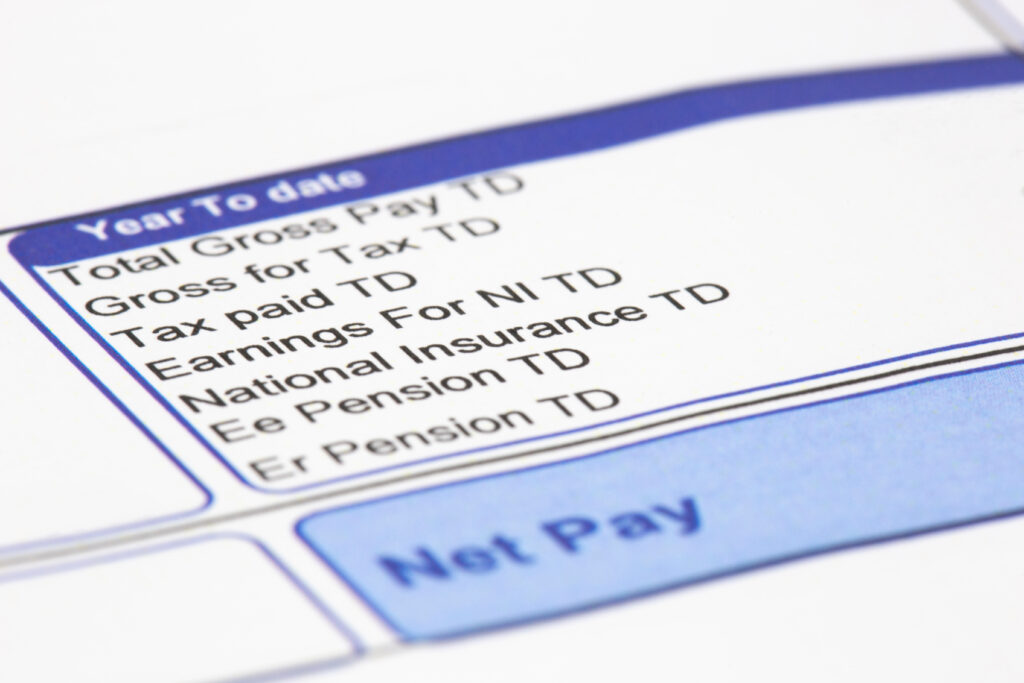
Payslips remain one of the clearest indicators of compliance.
In 2026, contractors should check payslips each pay period to ensure they clearly show:
-
Assignment rate received
-
Employer costs
-
Gross taxable pay
-
Employee deductions
-
Holiday pay
-
Net pay
If figures appear inconsistent or unexplained, it is important to raise questions early.
3. Check Your Key Information Document Matches Reality
The Key Information Document (KID) exists to explain how your pay should work before you sign up.
Contractors should compare their KID against actual payslips to confirm:
-
Rates match contract terms
-
Employer costs align with expectations
-
Holiday pay treatment is consistent
-
Estimated take-home pay is broadly accurate
Persistent discrepancies may indicate weak payroll controls.
4. Understand How Holiday Pay Is Managed
Holiday pay continues to be one of the most misunderstood areas of umbrella employment.
Contractors should clearly understand whether holiday pay is:
-
Accrued and paid when leave is taken, or
-
Advanced and included within regular pay
Whichever method is used, holiday pay must be clearly visible on payslips and explained upfront.
5. Confirm Workplace Pension Compliance
Umbrella employees must be automatically enrolled into a workplace pension unless they opt out.
Compliance checks should include:
-
Confirmation of auto-enrolment timing
-
Visibility of pension deductions on payslips
-
Access to pension provider details
-
Clear opt-out instructions if chosen
Failure to meet auto-enrolment obligations creates risk for both workers and employers.
6. Review Umbrella Margin and Deductions
Umbrella margins should be transparent, fixed, and easy to understand.
Contractors should expect:
-
A clearly stated weekly or monthly margin
-
No fluctuating charges
-
No unexplained administration fees
Unexpected deductions are often an early warning sign of poor governance.
7. Be Aware of Umbrella Companies Using Outsourced Payroll Models
An increasing number of umbrella companies now use outsourced payroll models to reduce operating costs. In many cases, these savings can benefit contractors directly through lower umbrella margins and more competitive pricing.
Outsourcing itself is not a compliance failure. When managed correctly, it can improve efficiency and help umbrellas keep costs down for workers.
However, as outsourcing becomes more common in 2026, it is important to understand how payroll providers manage associated risks.
Contractors should consider:
-
Oversight and control — the umbrella should retain full responsibility for payroll decisions
-
Transparency — contractors should know who processes payroll and where
-
Data protection — strong GDPR safeguards must be in place
-
Accuracy controls — review and audit processes should prevent errors
-
Clear accountability — responsibility must never be unclear if problems occur
A well-run outsourcing model should strengthen compliance, not obscure it.
8. Watch for Fragmented or Mini-Umbrella Structures
Mini-umbrella arrangements remain under HMRC scrutiny in 2026.
Warning signs may include:
-
Frequent changes to employer name
-
Multiple PAYE references
-
Inconsistent payslips
-
Repeated requests to sign new employment contracts
These structures increase risk across the supply chain.
9. Check Supply Chain Transparency
Agencies increasingly carry responsibility for umbrella selection.
Contractors should confirm:
-
Whether umbrellas sit on an approved PSL
-
That due diligence has been completed
-
That alternative options exist if concerns arise
Transparency helps reduce exposure for everyone involved.
10. Act Early if Something Feels Unclear
Compliance issues rarely resolve themselves.
Early warning signs include:
-
Poor communication
-
Delayed payroll responses
-
Pressure to use a specific umbrella
-
Overly complex explanations about pay
Raising concerns early makes resolution far easier.
Final Thoughts
Compliance checks in 2026 are no longer optional. With growing regulation and increased visibility across labour supply chains, contractors must take an active role in understanding how they are paid. If you are concerned about compliance with your Payroll provider, then have a look at our Top 10 Umbrella Companies.
By reviewing payroll processes, questioning unclear deductions, and ensuring umbrella providers — including those using outsourced payroll — operate with transparency and accountability, contractors can significantly reduce long-term risk.