





April 2026 has brought some of the most significant changes the UK umbrella industry has seen in years. For contractors, agencies, and end clients alike, the landscape is shifting quickly. New rules are now in force, compliance expectations are higher, and the way umbrella companies operate is under closer scrutiny than ever before.
This article breaks down what’s changed, why it matters, and what contractors should be doing right now.
A Turning Point for the Umbrella Industry
From 6 April 2026, new legislation targeting umbrella company practices officially came into effect. The focus is simple: reduce tax avoidance and increase accountability across the labour supply chain.
At the centre of these changes is the introduction of joint and several liability. This means that responsibility for unpaid tax can now extend beyond the umbrella company itself.
In practice, that includes:
- Recruitment agencies
- In some cases, end clients
- Other parties within the supply chain
This is a major shift. Previously, if an umbrella company failed to meet its tax obligations, enforcement often stopped there. Now, multiple parties can be pursued, which is already changing behaviour across the industry.
Why These Changes Were Introduced
For years, the umbrella sector has faced criticism due to non-compliant operators. Some companies marketed unusually high take-home pay, often linked to tax avoidance schemes. Others failed to correctly process PAYE or National Insurance.
These practices created two problems. First, they put contractors at risk of future tax bills. Second, they resulted in a loss of tax revenue for the government.
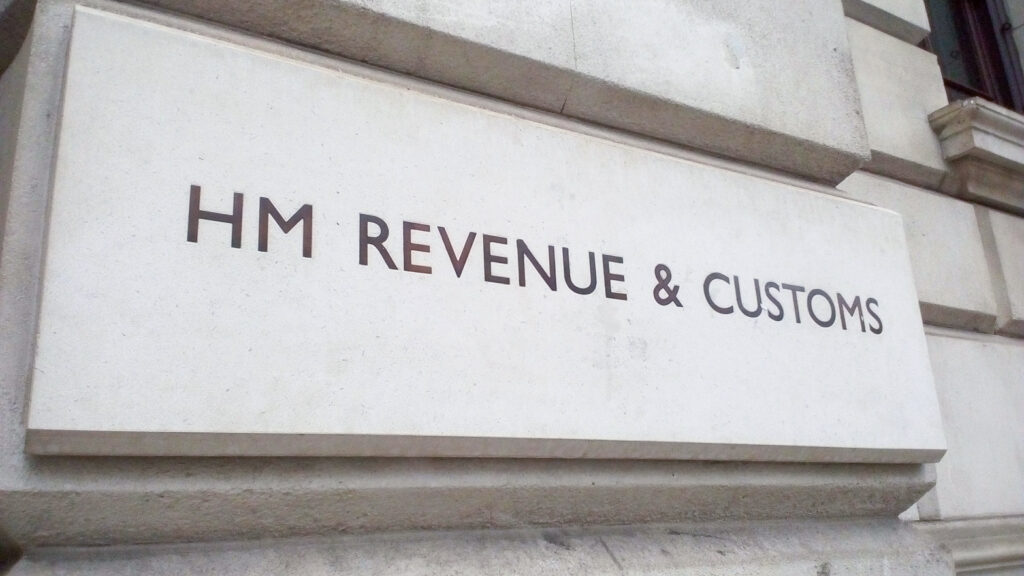
The 2026 reforms are designed to close these gaps. By spreading liability across the supply chain, HMRC is making it much harder for non-compliant businesses to operate unnoticed.
Immediate Impact on Contractors
Contractors are already starting to feel the effects of these changes.
One of the most noticeable shifts is a reduction in umbrella company choice. Agencies are tightening their preferred supplier lists and removing providers that don’t meet stricter compliance standards. If you’re asked to switch umbrella companies, this is likely the reason.
There is also a stronger focus on transparency. Contractors can expect more detailed onboarding processes, clearer payslips, and more questions about how their pay is structured.
While this may feel like added friction, it also brings a level of protection. The risk of being unknowingly placed into a non-compliant arrangement is lower than it was before.
The Link Between Umbrella Companies and IR35
These updates don’t exist in isolation. They sit alongside the existing IR35 framework, which has already pushed many contractors towards umbrella company working.
For roles deemed inside IR35, umbrella companies remain one of the most common engagement models because they operate PAYE at source. With the 2026 reforms, however, the compliance expectations around umbrella use have increased significantly.
Businesses are now reviewing both IR35 determinations and umbrella company compliance at the same time. As a result, contractors need to understand how the two interact, rather than treating them as separate issues.
Increased Responsibility Across the Supply Chain
One of the biggest long-term impacts of the April 2026 changes is the shift in responsibility.
Agencies are now carrying more risk, which means they are taking a much closer look at the umbrella companies they partner with. End clients, too, are becoming more aware of their potential exposure, especially in supply chains without intermediaries.
This has led to:
- More rigorous due diligence
- Fewer approved umbrella providers
- Greater emphasis on fully compliant PAYE models
The days of loosely structured arrangements are quickly disappearing.
What Contractors Should Do Now
In this new environment, taking a proactive approach is essential.
Start by reviewing your current umbrella company. Make sure it operates a straightforward PAYE model and provides clear, easy-to-understand payslips. If something feels unclear, it’s worth asking questions.
If you’re asked to move to a different provider, don’t just accept the change without understanding it. Ask why the switch is happening and how it will affect your pay.
It’s also important to keep records. Payslips, contracts, and communication with agencies can all be useful if questions ever arise in the future.
A More Regulated Future
The direction of travel is clear. The umbrella industry is moving towards a more regulated, more transparent model.
For some, that means fewer options and tighter controls. But it also means a safer environment, where contractors are less likely to face unexpected tax issues down the line.
Final Thoughts
The umbrella industry updates for April 2026 mark a clear shift in how the sector operates. With stronger rules, shared liability, and increased oversight, compliance is no longer optional for anyone in the supply chain.
For contractors, the key is to stay informed, choose reputable providers, and understand how these changes affect your working arrangements.
Those who adapt early will be in the best position as the industry continues to evolve.