





For many professionals, contracting offers something a traditional job can’t: flexibility, independence, and the chance to earn more. But there’s a trade-off. Without a fixed monthly salary, managing money becomes part of the job.
In 2026, with living costs still shifting and contract work as competitive as ever, having a clear budgeting approach isn’t just helpful. It’s essential.
The good news is that budgeting as a contractor doesn’t need to be complicated. What matters is building habits that give you stability, even when your income isn’t.
Start With What You Actually Need
Every solid budget begins with a simple question: what does it cost you to live each month?
This isn’t about rough guesses. It’s about knowing your real baseline. Rent or mortgage, food, utilities, transport, insurance. Once you have that number, you have something concrete to work from.
It becomes your financial anchor. No matter how your income fluctuates, you know the minimum you need to cover.
Accept That Income Will Fluctuate
One of the biggest mental shifts in contracting is accepting that income won’t always be consistent. Some months will be strong. Others may be quieter.
Instead of budgeting around your best months, it’s far more effective to work from your average income. Look back over the past six to twelve months and find the middle ground.
When you earn more than that average, resist the urge to increase your spending. That extra income is what carries you through the slower periods.
Build a Buffer Before You Need It
If there’s one habit that separates financially secure contractors from stressed ones, it’s this: they prepare for gaps before they happen.
An emergency fund isn’t just a safety net. It’s breathing room.
Aiming for six months of essential expenses may feel like a stretch at first, but even building toward that gradually makes a difference. It means that when a contract ends or takes time to replace, you’re not making decisions under pressure.
Know Where Your Money Is Going
You don’t need complex tools or detailed spreadsheets to stay on top of your finances. What matters is visibility.
A simple monthly review is often enough. Look at what you’ve spent, group it into categories, and notice patterns. Small habits like this make it easier to spot unnecessary spending and adjust before it becomes a problem.
Plan for Tax, Not Just Take-Home Pay
It’s easy to focus on what lands in your account, but that’s not always what you actually get to keep.
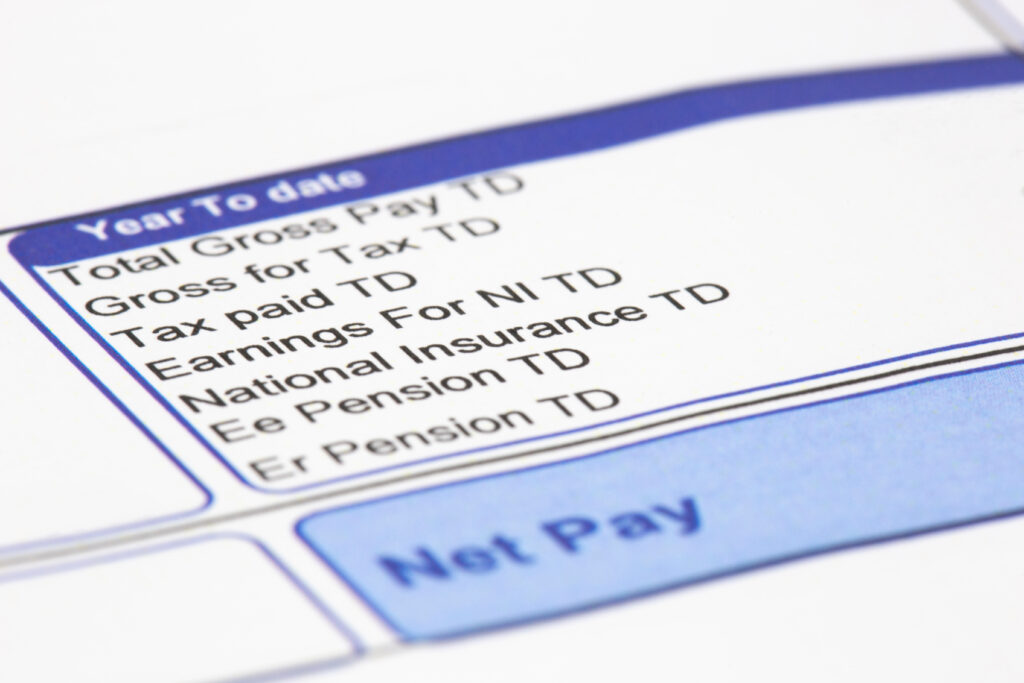
Depending on how you work, there may be taxes, National Insurance, umbrella company costs, or pension contributions to consider. Ignoring these can lead to surprises later on.
A practical approach is to set aside a portion of your income as soon as you’re paid. That way, you’re always working with what’s truly available.
Don’t Overlook Time Off
In permanent roles, holidays and sick days are built in. In contracting, they’re not.
That means time off needs to be planned financially as well as professionally. Setting money aside for breaks allows you to step away from work without worrying about income.
It also makes it easier to avoid burnout, which is just as important as financial stability.
Think Beyond the Short Term
When income varies, it’s natural to focus on the immediate. But long-term planning still matters.
Regular pension contributions or savings, even at a modest level, help create security over time. It’s less about the amount and more about consistency.
Keep It Simple and Review Often
Budgeting doesn’t need to be perfect. It just needs to work.
What matters most is that your system is clear, realistic, and easy to maintain. And as your circumstances change, your budget should change with them.
Checking in every few months is usually enough to keep things on track.
A More Stable Way to Work
Contracting will always come with a degree of uncertainty. That’s part of what makes it different.
But with a clear approach to budgeting, that uncertainty becomes manageable. You’re no longer reacting to your finances. You’re in control of them.
And that makes it much easier to focus on the work, the opportunities, and the reasons you chose contracting in the first place.