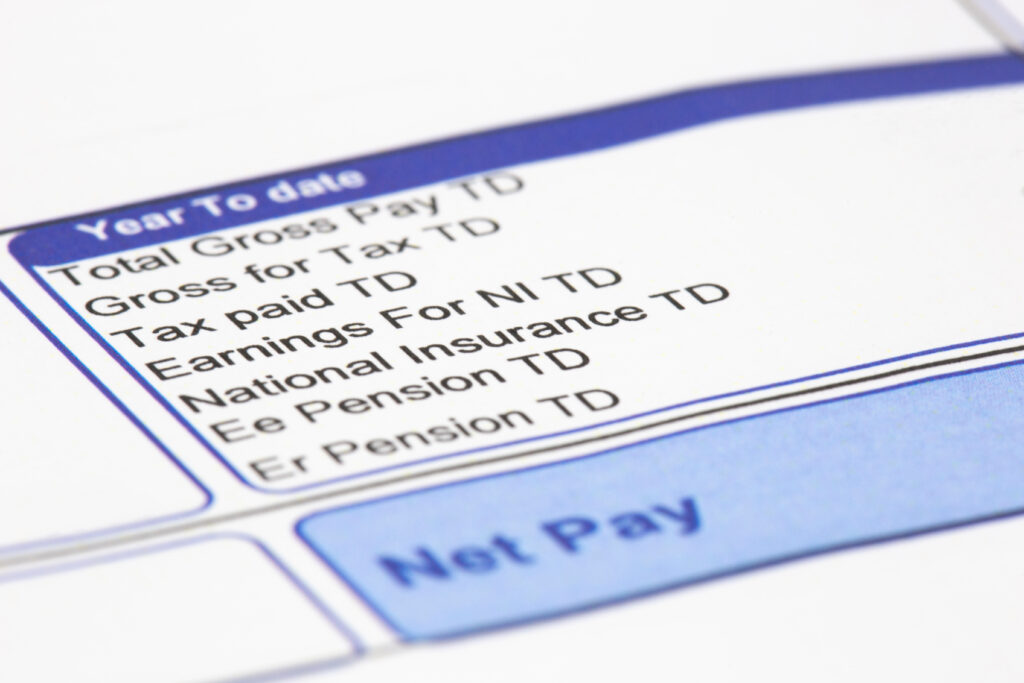






Understanding your payslip is one of the most important parts of working through an umbrella company. At first glance, it can look complicated, with multiple figures, deductions, and unfamiliar terms. But once you know how it’s structured, it becomes much easier to follow.
This guide explains each part of a typical umbrella company payslip in plain English, so you can see exactly how your earnings are calculated.
Why Umbrella Payslips Are Different
If you’re used to a standard payslip, an umbrella version may seem more detailed. That’s because it shows the full journey of your money, from what your client pays, through to what you take home.
As an umbrella employee, your contract rate includes not just your wages, but also employment costs and company fees. These are all clearly itemised on your payslip.
Starting Point: Contract Income
At the top of your payslip, you’ll usually see your contract income. This is the total amount your agency or client has paid for your work during that period.
It’s important to remember that this figure is not your salary. Instead, it’s the gross amount before any deductions, costs, or fees are applied.
Umbrella Company Margin
Next, the umbrella company deducts its margin. This is a fixed fee for managing payroll, handling tax, and ensuring compliance.
It’s typically a small weekly or monthly amount and should always be clearly shown on your payslip.
Employment Costs Explained
One of the most misunderstood parts of an umbrella payslip is employment costs.
Because you are an employee of the umbrella company, they must pay employer contributions on your behalf. These are deducted from the contract income before your gross pay is calculated.
Common employment costs include employer’s National Insurance and, in some cases, the Apprenticeship Levy.
While it may feel like an extra deduction, these costs are already built into your contract rate.
Gross Taxable Pay
After the umbrella margin and employment costs are deducted, the remaining amount becomes your gross taxable pay.
This is your official salary for that pay period and the figure used to calculate your taxes and personal deductions.
Standard Deductions
Once your gross pay is established, the usual payroll deductions apply.
Income tax is calculated through PAYE, based on your tax code and earnings. Alongside this, you’ll pay employee National Insurance contributions, which go towards state benefits.
If you’re enrolled in a pension scheme, your contributions will also be taken at this stage. Some payslips will show both your contribution and the employer’s contribution separately.
Other deductions may appear depending on your circumstances, such as student loan repayments or other obligations.
Your Take-Home Pay
After all deductions have been applied, the final figure is your net pay. This is the amount that will be paid into your bank account.
While it’s the number most people focus on, understanding how it’s reached gives you confidence that everything is correct.
A Simple Example
To put it into context, imagine your contract income for the week is £1,000.
After a £25 umbrella margin and £150 in employment costs, your gross taxable pay would be £825. From there, income tax and National Insurance are deducted, leaving you with your final take-home amount.
Staying In Control of Your Earnings
Reading your payslip properly helps you stay in control of your finances. It allows you to check that deductions are accurate, understand your real earnings, and avoid surprises.
If anything doesn’t look right, it’s always worth asking your umbrella company for clarification. A good provider will be transparent and happy to explain each figure.
Final Thoughts
Umbrella company payslips may look complex at first, but they follow a clear structure. Once you understand the key sections, you can quickly see how your pay is calculated from start to finish.
Taking a few minutes to review your payslip each pay period is a simple habit that can make a big difference over time.