





The end of the UK tax year is an important time for contractors. Whether you work through an umbrella company or manage multiple income streams, reviewing your finances before the new tax year begins can help you avoid mistakes and plan ahead.
This tax year checklist for contractors highlights the key areas you should review before the April deadline. While many payroll adjustments happen automatically, contractors who understand their deductions and records often avoid unnecessary issues later.
By completing a few simple checks before the new tax year begins, contractors can ensure their payroll information is accurate and that they start the new year with a clear financial picture.
1. Review Your Tax Code
One of the first items in any contractor tax year checklist should be your tax code. HMRC assigns tax codes to ensure the correct amount of income tax is deducted from your earnings.
However, tax codes can sometimes change unexpectedly due to previous employment, benefits, or incorrect information. As a result, contractors occasionally remain on emergency tax codes longer than necessary.
Before the tax year ends, contractors should check that their tax code matches their circumstances. If you believe the code is incorrect, contacting HMRC early can prevent overpayment of tax.
You can check your income tax and subsequently your tax code on the Gov website HERE.
2. Review Your Umbrella Payslips
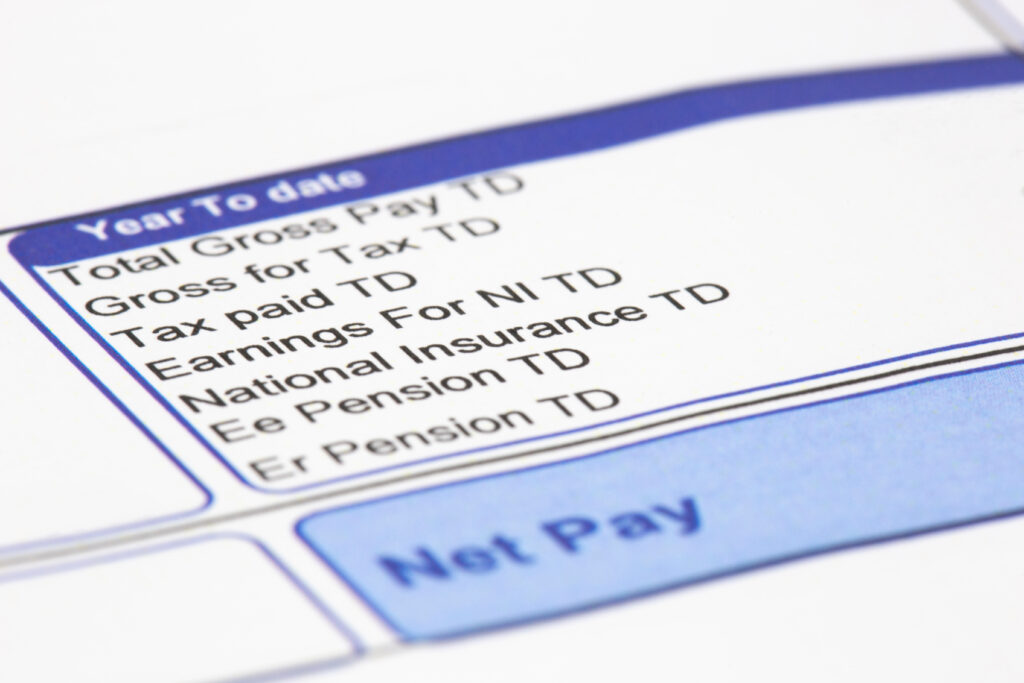
Payslips provide the most accurate record of how your contract income is processed. Therefore, reviewing them at the end of the tax year helps confirm that payroll deductions have been applied correctly.
Contractors should check:
PAYE income tax deductions
Employee National Insurance
Employer National Insurance deductions
Pension contributions
Holiday pay accrual
If any figures appear unclear, contractors should ask their umbrella provider for clarification before the new tax year begins.
Pay can change across Umbrella Companies so it’s worth understanding why that is and comparing across umbrellas.
3. Claim Any Outstanding Allowable Expenses
Although expense rules for umbrella workers are more limited than in previous years, some legitimate deductions may still apply in specific circumstances.
For example, contractors may be able to claim certain business costs if they meet HMRC criteria. Because expense policies vary between providers, contractors should check their umbrella company’s guidance before submitting claims.
Reviewing these expenses before the tax year ends ensures that any eligible deductions are processed in time.
4. Check Your Pension Contributions
Umbrella employees are usually enrolled in a workplace pension scheme under the UK’s auto-enrolment rules.
Although pension deductions reduce immediate take-home pay, they also provide important long-term savings. Therefore, the end of the tax year is a good opportunity to confirm that contributions are being recorded correctly.
Contractors should check:
Contribution percentage
Pension provider details
Total annual contributions
This review helps contractors stay within annual pension allowance limits while continuing to build retirement savings.
5. Review Holiday Pay Balances
Holiday pay often causes confusion for contractors working through umbrella companies. Unlike permanent employees, umbrella workers usually accrue holiday pay as a percentage of their contract earnings.
Therefore, contractors should review their holiday pay balance before the tax year ends. Some umbrella companies automatically carry balances forward, while others require contractors to request payment.
Checking this balance helps ensure that no accrued entitlement goes unclaimed.
You can read more about Sick Pay and Holiday Pay Explained.
6. Confirm Your Personal Records
Accurate financial records help contractors resolve tax queries quickly. Although umbrella companies handle most payroll administration, contractors should still maintain their own records.
Important documents include:
Payslips
Pension contribution summaries
Contract agreements
Keeping these records organised ensures contractors can verify income if HMRC requests additional information.
7. Check Your Umbrella Company Compliance
Finally, the end of the tax year provides a good opportunity to review whether your umbrella company operates transparently and compliantly.
Contractors should look for signs such as:
Clear payslip breakdowns
Transparent margins
Proper PAYE deductions
Reliable communication
If concerns arise, contractors may want to explore alternative umbrella providers before starting the new tax year.
Final Thoughts
Completing a tax year checklist for contractors can prevent small payroll issues from becoming larger problems later. By reviewing tax codes, payslips, expenses, and pension contributions before the new tax year begins, contractors can start the next financial year with greater clarity.
Most importantly, regular financial reviews help contractors understand their earnings and ensure their umbrella company handles payroll correctly.
Taking a few minutes to complete these checks now can save time and stress later.