





An umbrella company pay comparison is one of the most important steps contractors can take before choosing a provider. While many umbrellas operate under similar PAYE rules, contractors often notice differences in take-home pay, deductions, and overall experience.
At first glance, these differences can feel confusing. After all, PAYE tax rules remain the same regardless of which umbrella you use. However, several factors influence how much contractors actually receive. Therefore, understanding these factors helps contractors make informed decisions and avoid costly mistakes.
Most importantly, contractors should focus on transparency and compliance rather than headline take-home figures.
Why Take-Home Pay Should Be Similar Across Compliant Umbrellas
Before comparing umbrellas, contractors must understand a key principle. Fully compliant umbrella companies should produce broadly similar take-home pay when given the same contract rate and personal tax code.
This happens because umbrellas must apply:
PAYE income tax
Employee National Insurance
Employer National Insurance
Apprenticeship Levy
Workplace pension contributions
These statutory deductions follow fixed HMRC rules. As a result, compliant umbrellas cannot legitimately increase take-home pay beyond legal limits.
The Umbrella Margin: The Most Visible Difference
The umbrella margin represents the company’s fee for managing payroll and employment.
Typically, margins range between:
£15 to £35 per week
Or £60 to £140 per month
Although this difference may appear small, it still affects overall earnings.
For example:
£15 weekly margin = £780 annually
£30 weekly margin = £1,560 annually
Therefore, choosing a lower margin can increase net income over time. However, contractors should balance cost against service quality and compliance.
Payroll Accuracy and Transparency Also Affect Contractor Confidence
Even when margins are similar, payroll transparency makes a major difference.
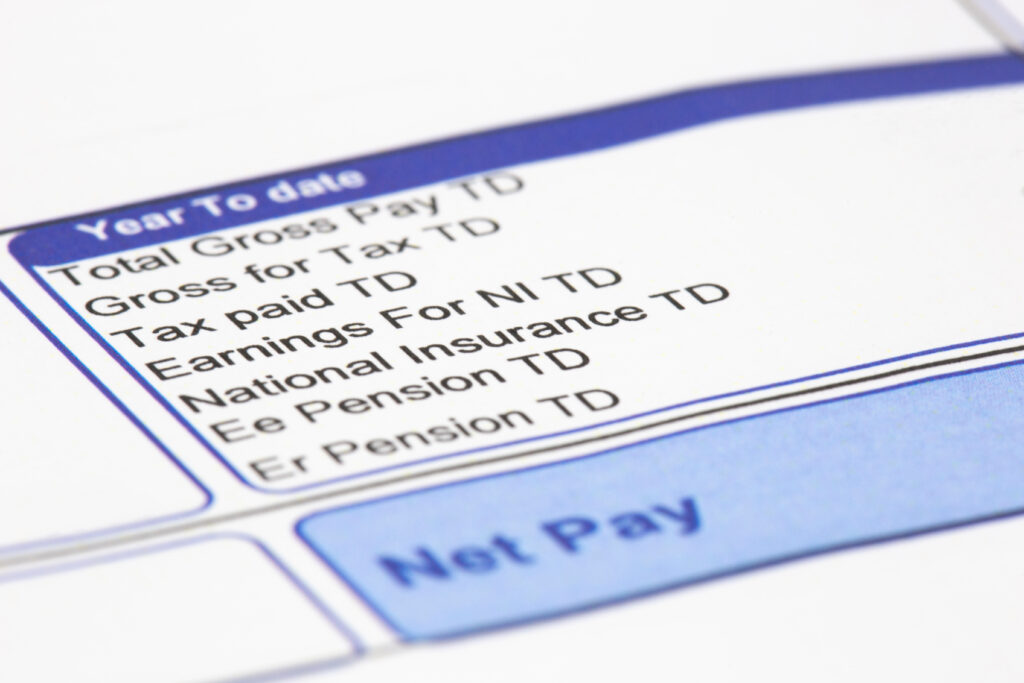
A compliant umbrella should clearly show:
Assignment rate received from the agency
Employer costs deducted
Tax and National Insurance breakdown
Pension contributions
Net take-home pay
Clear payslips allow contractors to verify deductions. Consequently, contractors can trust that payroll operates correctly. HMRC payslip guidance is always available as a good place to check the basics!
Pension Contributions Can Influence Net Pay
Workplace pensions play an important role in umbrella payroll.
Auto-enrolment requires umbrellas to deduct pension contributions unless contractors opt out. While contributions reduce short-term take-home pay, they provide long-term financial benefits.
However, differences may occur due to:
Pension provider fees
Salary sacrifice availability
Contribution percentages
As a result, pension structure may slightly affect take-home pay comparisons. Check out our article on auto-enrolment pensions for more information.
Tax Codes and Personal Circumstances Affect Pay Comparisons
Not all pay differences come from umbrella companies themselves. Instead, personal tax circumstances often explain variations.
These include:
Emergency tax codes
Student loan repayments
Pension contributions
Previous employment income
For example, contractors on emergency tax codes often receive lower net pay initially. However, HMRC usually corrects this later.
Therefore, contractors should confirm their tax code before comparing umbrellas.
Red Flag: Umbrellas Promising Higher Take-Home Pay
One of the most important lessons in umbrella company pay comparison involves recognising unrealistic promises.
If an umbrella claims significantly higher take-home pay, this may indicate:
Non-PAYE payment structures
Disguised remuneration schemes
Incorrect tax reporting
Artificial expense deductions
These arrangements often carry serious financial risks. HMRC tax avoidance guidance is available for any concerns you may be facing.
Service Quality Can Indirectly Affect Contractor Outcomes
Although margins and deductions affect pay directly, service quality also matters.
Good umbrella companies provide:
Fast payroll processing
Accurate tax handling
Responsive support
Clear communication
Poor service, on the other hand, may cause payroll delays or confusion.
Therefore, contractors should consider reliability alongside pay comparison.
Example Pay Comparison Scenario
Consider two umbrellas offering payroll for a £500 daily rate contractor.
Umbrella A:
Weekly margin: £20
Clear payslips
Standard pension
Umbrella B:
Weekly margin: £30
Similar deductions
Annual difference:
£10 weekly difference × 52 weeks = £520
Although both umbrellas operate compliantly, margin differences still affect overall income.
However, differences beyond margins often indicate other factors.
Why Transparency Matters More Than Slight Pay Differences
Many contractors focus heavily on net pay figures. However, transparency and compliance matter far more.
A compliant umbrella protects contractors by:
Following PAYE correctly
Providing accurate reporting
Avoiding risky schemes
Supporting contractor queries
Ultimately, long-term security outweighs small short-term differences.
How to Compare Umbrella Companies Properly
When conducting an umbrella company pay comparison, contractors should review several factors together.
Focus on:
Weekly or monthly margin
Payslip clarity
Pension structure
Compliance reputation
Contractor reviews
This approach provides a complete picture. A great place to start is our list of Top 10 Umbrella Companies.
Final Thoughts: Focus on Compliance, Not Just Net Pay
An umbrella company pay comparison helps contractors understand deductions, margins, and net pay expectations. However, compliant umbrellas should produce similar take-home pay under PAYE.
Therefore, contractors should prioritise:
Compliance
Transparency
Reliability
By doing so, contractors protect themselves while ensuring fair and accurate payroll.