





The start of a new year is an appropriate point for contractors to reassess their umbrella company arrangements. Legislative scrutiny of the umbrella sector continues to increase, and contractors remain exposed where due diligence is not carried out.
This New Year New Umbrella checklist sets out key areas that contractors should review to determine whether their umbrella company remains compliant, transparent, and suitable for continued engagement in 2026.
Failure to carry out basic checks can result in financial loss, tax risk, and reduced employment protections.
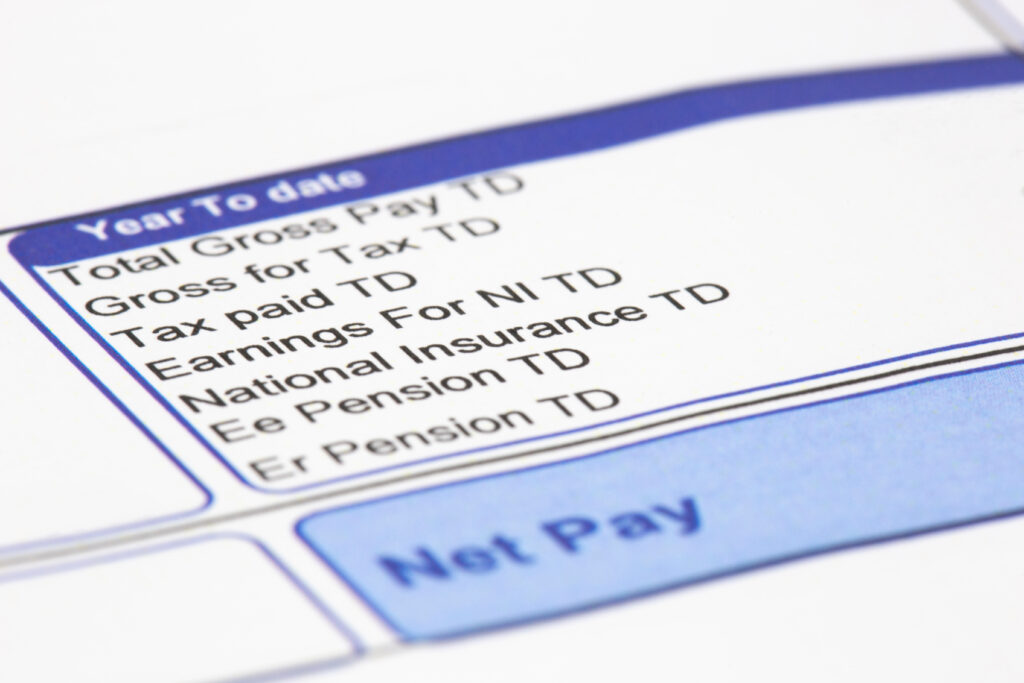
1. Payslip Accuracy and Transparency
Contractors should review recent payslips in detail.
A compliant umbrella company must clearly display:
Assignment rate received
Employer National Insurance contributions
Employee deductions
Holiday pay treatment
Net pay
Payslips should be understandable without specialist knowledge. Overly complex or inconsistent payslip formats may indicate poor transparency or non-compliant practices.
2. Confirmation of PAYE Compliance
Contractors should explicitly confirm that their umbrella company:
Operates PAYE in full
Does not use loan arrangements, advances, or third-party payment structures
Makes all payments from taxable income
Follows HMRC guidance and UK employment legislation
Any suggestion of increased take-home pay outside standard PAYE mechanisms presents a clear risk. Contractors remain liable for unpaid tax, regardless of assurances given by intermediaries.
3. Holiday Pay Treatment
Holiday pay arrangements must be clear and documented.
Contractors should confirm:
Whether holiday pay is accrued or paid rolled up
How and when holiday pay can be accessed
What happens to unused holiday pay
A lack of clarity around holiday pay is a frequent indicator of poor administrative standards.
4. Umbrella Company Fees and Margins
Umbrella margins should be clearly disclosed and consistent.
Contractors should check:
The agreed weekly margin
Whether fees have increased without notification
Whether additional deductions are applied
Undisclosed or poorly explained deductions are unacceptable and should be challenged.
5. Employment Status and Rights
Umbrella companies employ contractors and must provide statutory employment rights.
These include:
A valid contract of employment
Statutory sick pay eligibility
Workplace pension provision
Protection under UK employment law
Any arrangement that removes or weakens these rights should be treated with caution.
6. Pension Arrangements
Pension deductions should be predictable and properly administered.
Contractors should confirm:
Which pension scheme is used
That contributions are made correctly
That opt-in and opt-out processes are clear
Poor pension administration is a compliance concern, not a minor administrative issue.
7. Communication Standards
Contractors should assess the quality of ongoing communication.
A reputable umbrella company should provide:
Timely responses
Clear explanations of deductions
Access to knowledgeable support staff
Persistent delays or vague responses may indicate wider operational weaknesses.
8. Consider Whether a Change Is Required
If this New Year New Umbrella checklist identifies multiple concerns, contractors should consider changing umbrella company.
Switching umbrella companies is generally straightforward and does not affect agency relationships when managed correctly.
Early-year changes often reduce administrative complexity.
Conclusion
The purpose of a New Year New Umbrella checklist is risk management.
Contractors should not rely on historic assurances or assumptions. Umbrella companies must demonstrate ongoing compliance, transparency, and adherence to employment law.