




































































As the UK tax year comes to a close on 5 April, contractors across the country start turning their attention to earnings, tax summaries, and financial housekeeping. It’s a busy time, and naturally, most people focus on big-picture numbers. But there’s one document that often gets overlooked, despite being central to everything: your umbrella payslip.
If you work through an umbrella company, your payslip isn’t just a routine record of what you’ve been paid. It’s a detailed breakdown of how your income has been processed, taxed, and adjusted throughout the year. And at tax year end, it becomes far more important than many realise.
More Than Just a Payslip
Unlike a standard employee payslip, an umbrella payslip is more complex. It doesn’t simply show your salary and deductions. Instead, it reflects the full journey of your contract income.
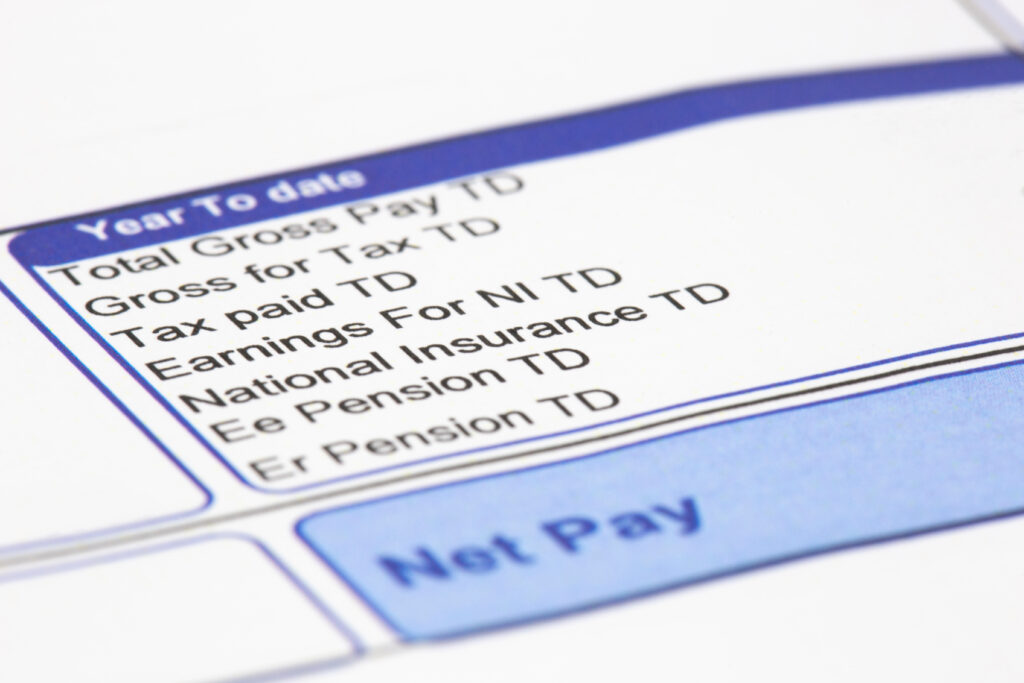
This includes your gross contract value, employer costs such as National Insurance contributions and the Apprenticeship Levy, and the resulting taxable salary. From there, it shows employee deductions like PAYE tax and National Insurance, before arriving at your final take-home pay.
Because of this structure, your payslip tells the full story of how your earnings are calculated. At tax year end, that level of detail becomes essential.
A Key Tool for Tax Accuracy
One of the biggest reasons your payslip matters is accuracy. As the tax year closes, HMRC calculates how much tax you should have paid based on your total income. Your payslips allow you to check that everything lines up.
They help confirm that your tax code has been applied correctly, that the right amount of tax has been deducted, and that your income has been reported accurately. If something is off, even slightly, it could lead to an underpayment or an unexpected bill later on.
Reviewing your payslips now gives you the chance to catch and correct issues before they escalate.
Essential for Self Assessment
For contractors who need to complete a Self Assessment tax return, payslips are especially valuable. They provide a reliable, detailed record of your earnings across the entire tax year.
Rather than relying on estimates or bank statements alone, you can use your payslips to report figures with confidence. They also help you cross-check your P60, ensuring that your final totals are correct and consistent.
Without this level of detail, it’s much easier to make mistakes that could delay your return or trigger further questions.
Spotting Problems Early
Tax year end is the perfect time to review your finances, and your payslips are one of the best tools for doing that. Small issues that go unnoticed during the year can become much more significant over time.
You might notice deductions you don’t recognise, inconsistencies in your net pay, or changes that haven’t been clearly explained. These are all signals worth investigating.
The earlier you identify a problem, the easier it is to resolve. Waiting until after the tax year closes can make corrections more complicated.
Supporting Your Financial Position
Your payslips also play an important role beyond tax. They act as proof of income, which is often required when applying for a mortgage, renting a property, or seeking credit.
At tax year end, lenders and financial institutions may look more closely at your annual income picture. Having clear, accurate payslips helps demonstrate stability and transparency, which can strengthen your position.
Preparing for Your P60
Your P60 is the official summary of your pay and tax for the year. When it arrives, it should match the cumulative figures shown across your payslips.
By reviewing your payslips ahead of time, you can check totals, spot discrepancies, and avoid delays in getting any issues corrected. It’s a simple step that can save time and stress later.
Taking Control at Year End
It’s easy to treat payslips as routine paperwork, something to file away and forget. But at tax year end, they deserve much closer attention.
They help you verify your tax, support your reporting, highlight potential problems, and provide essential proof of income. In short, they give you clarity and control over your financial situation.
Taking the time to review them properly isn’t just good practice. It’s one of the smartest steps you can take as the tax year closes.