







































































If you’re contracting through an umbrella company, one question usually sits at the front of your mind: how much will I actually take home? You agree a day rate with the agency, you complete the work, and then your payslip arrives looking very different from the simple calculation you had in your head.
The reason is straightforward. When you work through an umbrella company, your pay is structured differently from permanent employment or operating through your own limited company. To understand your take-home pay properly, you need to understand umbrella margins and how deductions are applied.
Let’s break it down clearly.
What an Umbrella Company Actually Does
An umbrella company acts as your employer while you work on temporary contracts. Your recruitment agency pays the umbrella company the agreed contract rate. The umbrella then processes that income through PAYE, deducts the required taxes and costs, and pays you as an employee.
If you’re new to this structure, it’s worth reading our guide to What Is an Umbrella Company? which explains how the employment relationship works and why most contractors inside IR35 now use this model.
Because you are treated as an employee of the umbrella company, your pay must go through standard PAYE rules. That’s where much of the confusion around take-home pay begins.
What Is an Umbrella Margin?
The umbrella margin is simply the fee the umbrella company charges for providing its service. It covers payroll processing, compliance, reporting to HMRC, insurances, pension administration, and customer support.
Most reputable umbrella companies charge a fixed weekly margin. This makes it easier to see exactly what you are paying. Some may charge monthly. A percentage-based margin is less common and often harder to compare.
The key point is this: the umbrella margin is not the main reason your take-home pay looks lower than your contract rate. It is usually a relatively small, fixed cost for running the service.
If you’re researching providers, our Top 10 Umbrella Companies page is a good starting point.
The Biggest Misunderstanding About Contract Rates
One of the most common misconceptions is that your contract rate equals your gross salary. It does not.
The rate agreed between the agency and the client is known as the assignment rate or umbrella rate. This is the total amount paid to the umbrella company. From this figure, employer costs must be deducted before your taxable salary is calculated.
Employer’s National Insurance and the Apprenticeship Levy are statutory costs associated with employment. Under the umbrella model, these costs are taken from the assignment rate. After those costs and the umbrella margin are deducted, the remaining amount becomes your gross taxable pay.
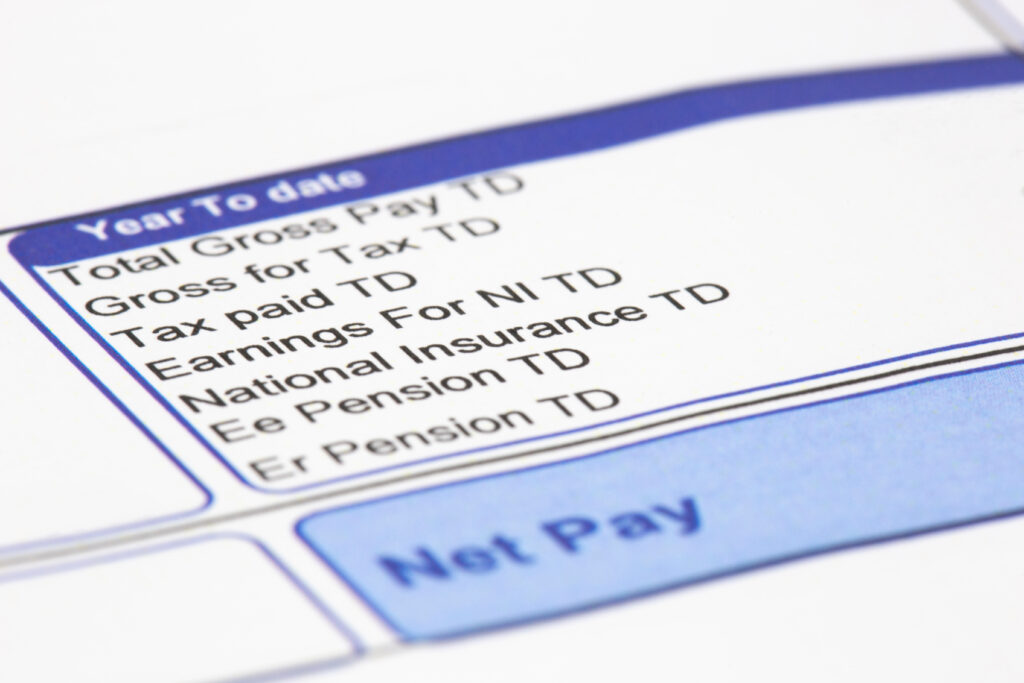
This is explained in more detail in our Umbrella Company Payslips Explained article, which walks through how the numbers appear on your payslip.
How Take-Home Pay Is Calculated
Once employer costs have been deducted and your gross taxable pay has been determined, the usual PAYE deductions apply. Income tax and employee National Insurance are calculated based on your tax code and earnings. If you are enrolled in a pension scheme, contributions will also be deducted. Student loan repayments may apply depending on your circumstances.
Only after these deductions is your net take-home pay calculated.
When contractors see the difference between their assignment rate and their final take-home amount for the first time, it can feel like a shock. But most of that difference is made up of statutory employment costs and PAYE tax, not the umbrella company’s margin.
Why Take-Home Pay Differs Between Contractors
Two contractors on the same day rate can take home different amounts. This is entirely normal. Differences in tax codes, pension contributions, student loan plans, and even how holiday pay is handled can all affect net pay.
Holiday pay in particular causes confusion. Some umbrella companies operate rolled-up holiday pay, where it is included in your weekly pay. Others accrue it separately and pay it when you take leave. The total entitlement is the same, but the timing changes how your weekly net figure looks. Our guide on How Does Holiday Pay Work with an Umbrella Company? explains this in more detail.
Be Wary of Unrealistic Take-Home Claims
If an umbrella company advertises that you can take home 80 percent or more of your contract rate under a standard PAYE model, you should approach with caution.
Inside IR35, once employer costs and PAYE deductions are applied, those figures are generally not realistic. High take-home claims may involve loan arrangements or non-compliant tax schemes, which can create serious tax liabilities later on.
Before joining any provider making bold promises, read our article on Avoiding Umbrella Company Tax Schemes so you understand the risks.
Transparency Matters More Than a Low Margin
When choosing an umbrella company, it’s easy to focus on the headline margin. But a slightly lower weekly fee will not dramatically change your take-home pay. What matters far more is transparency.
A reputable umbrella company will clearly explain employer costs, show all deductions on your payslip, provide realistic take-home illustrations, and operate fully within HMRC rules.
Understanding umbrella margins and take-home pay removes much of the uncertainty from contracting. Once you know that the assignment rate includes employer costs, and that PAYE deductions must be applied like any other employment, your payslip becomes much easier to interpret.
If you’re ever unsure, ask for a full breakdown before signing up. A compliant umbrella company should always be willing to explain exactly how your pay is calculated.