


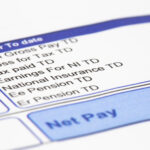

































































For many people, a tax code is just a small detail buried on a payslip. It’s easy to ignore. But that short combination of numbers and letters plays a big role in how much tax you pay each month. If it’s wrong, you could end up paying too much or too little without realising it.
Whether you’re employed directly or working through an umbrella company, understanding your tax code helps you stay in control of your income.
What a Tax Code Actually Does
A tax code is issued by HMRC to tell your employer how much Income Tax should be taken from your pay. It reflects your tax-free allowance, also known as your Personal Allowance.
For most people in the UK, the standard tax code is 1257L. This means you can earn up to £12,570 in a tax year before paying Income Tax. Anything above that is taxed at the appropriate rate.
It sounds straightforward, but your tax code can change depending on your circumstances, which is where things can become confusing.
Breaking Down the Numbers and Letters
At first glance, a tax code can look a bit random. In reality, it follows a simple structure.
The numbers represent your tax-free allowance. For example, 1257 means £12,570. HMRC removes the final digit to create the code.
The letter gives extra information about your situation. The most common one is L, which means you’re entitled to the standard Personal Allowance.
Other letters and codes can indicate something different. For example, BR means all your income is taxed at the basic rate, while D0 or D1 means higher or additional rates apply. A K code usually means you owe tax or have benefits that reduce your allowance.
Understanding these details makes it much easier to spot when something isn’t right.
Why Tax Codes Change
Your tax code isn’t fixed for life. It can change throughout the year as your circumstances change.
This often happens when you start a new job, take on a second income, or receive taxable benefits such as a company car. If you’re a contractor moving between assignments, updates can happen more frequently.
Sometimes, HMRC adjusts your code to recover tax you underpaid in a previous year. Other times, it may increase your allowance if you’ve overpaid.
Because of this, it’s worth checking your tax code regularly rather than assuming it’s always correct.
Emergency Tax Codes and What They Mean
If HMRC doesn’t have enough information about your income, you may be placed on an emergency tax code. These usually include W1, M1, or X at the end, such as 1257L W1.
This means your tax is calculated based only on your current pay period, rather than your total earnings for the year. In many cases, this results in higher tax deductions at first.
The good news is that emergency tax codes are usually temporary. Once HMRC receives the correct information, your code should be updated automatically, and any overpaid tax is often refunded through your salary.
Why Tax Codes Matter for Umbrella Company Workers
If you’re working through an umbrella company, your tax is processed through PAYE just like a standard employee. That means your tax code directly affects your take-home pay.
Because umbrella workers often change assignments or employers more frequently, there’s a higher chance of being placed on the wrong code, especially at the start of a new role.
An incorrect tax code can reduce your net income or leave you with a tax bill later on. That’s why it’s important to check your payslip carefully, particularly when you first join an umbrella company.
How to Check Your Tax Code
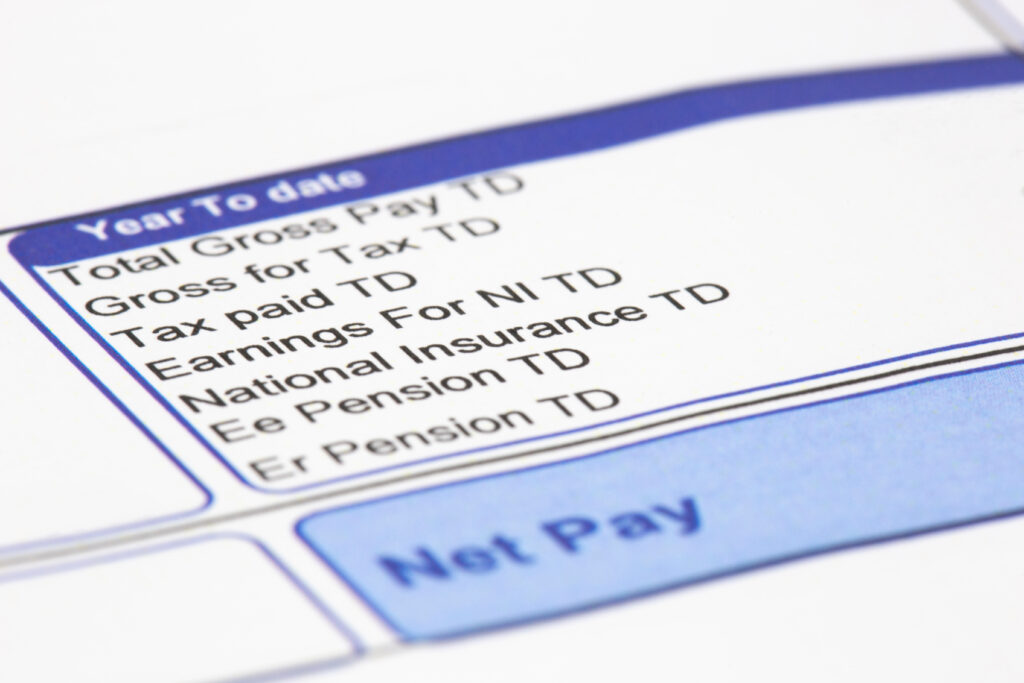
You can find your tax code on several documents, including your payslip, P45, or P60. It’s also available through your HMRC online account.
If you notice a sudden change in your take-home pay, or if your code looks unfamiliar, it’s worth taking a closer look.
Common warning signs include being placed on a basic rate code unexpectedly or seeing a “K” code without understanding why.
What to Do If Something Looks Wrong
If you think your tax code is incorrect, the best step is to contact HMRC directly. They can review your situation and issue an updated code if needed.
Once corrected, your employer or umbrella company will apply the new code automatically. If you’ve overpaid tax, it’s usually refunded through your wages rather than requiring a separate claim.
Final Thoughts
A tax code might seem like a minor detail, but it has a real impact on your finances. Taking the time to understand how it works can help you avoid unnecessary deductions and stay on top of your earnings.
For umbrella company workers in particular, regular checks are key. With frequent job changes and varying income, it’s easy for mistakes to slip through. A quick review of your tax code can save you money and give you peace of mind.