





Understanding tax code updates for 2026 is essential for contractors working through umbrella companies or PAYE arrangements. While tax codes often change quietly, even small adjustments can have a noticeable impact on monthly take-home pay.
In 2026, contractors are more likely to see tax code changes triggered by employment changes, pension contributions, benefits, or HMRC adjustments. Knowing how tax codes work — and what to check — helps contractors avoid overpaying tax or facing unexpected deductions.
What a Tax Code Actually Tells You
A tax code is HMRC’s instruction to your employer about how much Income Tax to deduct from your pay. Despite appearing simple, tax codes carry important information.
A typical tax code shows:
Your personal allowance, usually represented by numbers
Your tax position, such as standard, reduced, or zero allowance
Special circumstances, indicated by letters like L, M, N, or K
If your tax code is wrong, your take-home pay will be wrong too — sometimes by hundreds of pounds per month.
Why Contractors Often See More Tax Code Changes
Contractors tend to experience more frequent tax code updates than permanent employees. This is because working patterns and income sources often change.
Common triggers include:
Moving between contracts or agencies
Switching umbrella companies
Starting or stopping pension contributions
Changes to benefits in kind
HMRC correcting underpayments or estimates
Each change can prompt HMRC to issue a new tax code, sometimes mid-contract.
Common Tax Codes Contractors May See in 2026
While individual circumstances vary, some tax codes appear more frequently among contractors.
These include:
1257L, the standard tax code for most workers
BR, where all income is taxed at the basic rate
0T, often used when HMRC lacks information
K codes, which indicate deductions exceed allowances
Seeing an unfamiliar code does not always mean something is wrong — but it does mean it should be checked.
Emergency Tax Codes: Still a 2026 Issue
Emergency tax codes remain a common issue, particularly for contractors starting new assignments quickly.
Emergency codes are often applied when:
HMRC hasn’t received starter information
A P45 is missing or delayed
Employment records have not updated
While emergency tax is usually temporary, failing to address it can result in ongoing overpayment.
How Umbrella Companies Apply Tax Codes
Umbrella companies apply tax codes exactly as provided by HMRC. They do not choose or adjust tax codes themselves.
This means:
Payroll teams cannot “fix” a tax code internally
Any correction must come from HMRC
Payslips should always display the active tax code
Understanding this helps contractors direct queries to the right place and avoid frustration.
What Contractors Should Check on Their Payslip
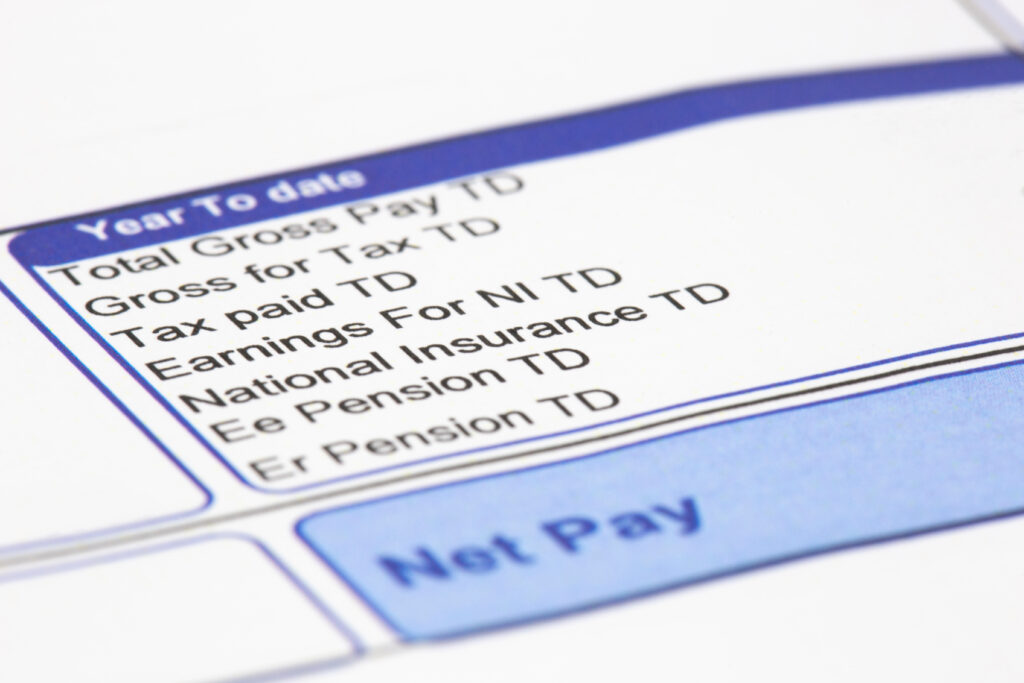
When reviewing payslips in 2026, contractors should always check the tax code displayed.
Key checks include:
Does the tax code match HMRC records?
Has the code changed unexpectedly?
Does the tax deducted align with gross pay?
Has a mid-period adjustment been applied?
Spotting issues early makes corrections far easier. Read more on how to decode your payslip in plain English.
How to Update or Correct a Tax Code
If a tax code appears incorrect, contractors should act promptly.
Steps include:
Logging into your HMRC Personal Tax Account
Updating employment details if needed
Contacting HMRC directly for clarification
Informing your umbrella once HMRC confirms changes
Any refund for overpaid tax is usually applied automatically once the correct code is issued.
Why Tax Code Awareness Matters More in 2026
With tighter payroll compliance and increased transparency, tax code accuracy matters more than ever.
Incorrect tax codes can:
Reduce take-home pay unnecessarily
Create cash flow problems
Lead to year-end tax adjustments
Cause confusion when switching roles
Being proactive protects both income and peace of mind.
Final Thoughts
Tax code updates in 2026 may not grab headlines, but their impact is real. Contractors who understand how tax codes work — and who check them regularly — are far less likely to face unpleasant pay surprises.
A few minutes reviewing your payslip can save months of frustration later.