





Working through an umbrella company offers flexibility, but it also brings financial responsibility. In 2026, rising costs, changing tax rules and uncertain contract markets mean umbrella workers need to be more financially aware than ever.
With the right approach, you can protect your income, plan ahead and avoid unnecessary stress. These financial tips are designed specifically for UK umbrella workers.
Know how your umbrella pay works
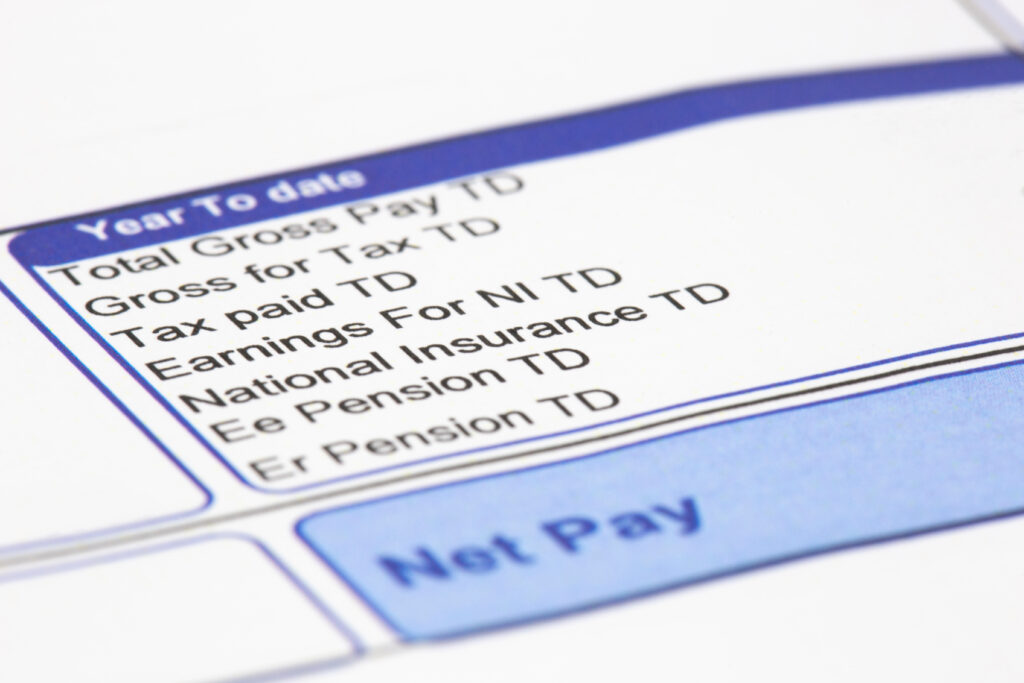
Many umbrella workers focus on their day rate and ignore the detail on their payslip. This can lead to confusion and frustration when take-home pay is lower than expected.
Your pay is processed through PAYE. This means Income Tax, National Insurance, pension contributions and the umbrella company margin are deducted before you’re paid. You should review your payslip every month and query anything that looks unclear.
A compliant umbrella company will always explain deductions in plain English.
Budget for income that changes
Umbrella work rarely provides the same income every month. One contract might be well paid, while the next includes gaps or fewer hours.
Instead of budgeting around your highest earnings, plan based on an average month. Cover essential costs first, then decide how much you can save or spend. When you earn more than expected, put the excess aside to cover quieter periods.
This approach helps smooth income and reduces financial pressure.
Build an emergency fund early
An emergency fund is essential for umbrella workers. Unlike permanent employees, you may not have access to sick pay or redundancy protection.
Aim to save enough to cover three to six months of essential living costs. Keep this money in an easy-access account so it’s available when you need it. This fund can protect you if work pauses or your circumstances change.
Don’t ignore pension planning
Retirement planning often slips down the priority list, especially when income varies. However, umbrella workers cannot rely on traditional employer pensions.
Most umbrella companies offer a workplace pension. Some also make contributions. Even small, regular payments can make a big difference over time. Pension contributions also benefit from tax relief, making them a tax-efficient way to save.
Starting early gives your pension more time to grow.
Use tax-efficient savings
Saving is important, but where you save matters too. ISAs remain one of the simplest ways to protect your savings from tax. Any interest or gains are tax-free.
If you are saving for your first home or later life, a Lifetime ISA may also be worth considering. Using these options can help umbrella workers make the most of their income without increasing their tax bill.
Choose the right umbrella company
Your umbrella company plays a major role in your financial wellbeing. A good provider offers clear pay calculations, accurate payroll and strong compliance.
In 2026, compliance remains a key issue across the umbrella market. Avoid providers that promote take-home pay promises that sound too good to be true. Transparency and HMRC compliance should always come first.
Stay aware of IR35 changes
While umbrella workers are usually taxed under PAYE, IR35 rules still affect how contracts are assessed. Changes to your role or client can affect your tax position.
If you’re unsure how IR35 applies to you, professional advice can help you avoid mistakes and unexpected deductions.
Protect your income and health
If you cannot work, your income usually stops. That makes income protection insurance worth considering. This type of cover can replace part of your earnings if illness or injury prevents you from working.
Some umbrella workers also choose private medical insurance to reduce waiting times. These options are not essential for everyone, but they can add an extra layer of security.
Get advice when needed
You do not need to manage everything alone. A qualified financial adviser can help you plan for irregular income, pensions and long-term goals.
For many umbrella workers, professional advice leads to better decisions and greater confidence.
Final thoughts
Umbrella working in 2026 offers flexibility, but it requires careful financial planning. By understanding your pay, budgeting realistically and planning for the future, you can create stability even when income changes.
Small, consistent steps can make a lasting difference.