




































































Tax planning for umbrella workers is not about loopholes or complex structures. It is about understanding how PAYE works, knowing what affects your take-home pay, and avoiding costly mistakes.
If you are paid through an umbrella company, your tax is deducted automatically. That makes things simpler, but it also means you need to be informed. Small misunderstandings can quickly add up.
This guide explains what umbrella workers should know about tax, in clear and practical terms.
How Tax Works for Umbrella Workers
When you work through an umbrella company, you are an employee. This means you are paid through PAYE, just like a permanent member of staff.
Your agency rate is not your salary. Before you are paid, the following are deducted from the assignment rate:
-
Employer’s National Insurance
-
Apprenticeship Levy
-
The umbrella company margin
After that, your gross pay is calculated and Income Tax and Employee National Insurance are deducted.
Understanding this structure is important. Many tax problems start when workers assume the advertised rate is the amount they will take home.
Check Your Tax Code Early and Often
Your tax code decides how much tax you pay. If it is wrong, you could be paying too much without realising it.
Common reasons for incorrect tax codes include:
-
Changing agencies or umbrella companies
-
Having more than one source of income
-
Starting work mid-tax year
Your tax code appears on your payslip. If it looks unusual or you are unsure, contact HMRC directly. Umbrella companies must follow the code they are given.
Use Pension Contributions to Reduce Tax
One of the most effective tax planning options available to umbrella workers is pension salary sacrifice.
If your umbrella company offers this:
-
Part of your pay goes straight into your pension
-
Your taxable income is reduced
-
You save Income Tax and National Insurance
In many cases, the employer’s National Insurance saving is also added to your pension. Over time, this can make a meaningful difference.
Before joining, check how salary sacrifice affects things like statutory sick pay or maternity pay, especially if you may need them.
Be Careful With Expenses Claims
Since the 2016 changes to travel and subsistence rules, most umbrella workers cannot claim tax relief on commuting or everyday meals.
Some limited expenses may still be allowed, such as:
-
Certain professional subscriptions
-
Specific work equipment
-
Costs required wholly and exclusively for your role
If an umbrella company promises large expense claims or higher take-home pay because of expenses, treat that as a warning sign.
Avoid “Too Good to Be True” Tax Schemes
High take-home pay schemes often target umbrella workers. They may involve:
-
Loans or advances
-
Offshore payments
-
Complex payment structures
These arrangements are classed as tax avoidance. HMRC actively pursues workers who use them, sometimes years later.
A compliant umbrella company should pay you through straightforward PAYE only. If you do not understand how you are being paid, do not proceed.
Plan Ahead for Contract Gaps
Umbrella workers often experience gaps between contracts. This can affect your cash flow and your tax position.
Simple planning helps:
-
Set aside money during busy periods
-
Expect changes in take-home pay when work is irregular
-
Check if you are due a tax refund at the end of the tax year
If your income fluctuates a lot, you may have overpaid tax without realising it.
Always Review Your Payslip
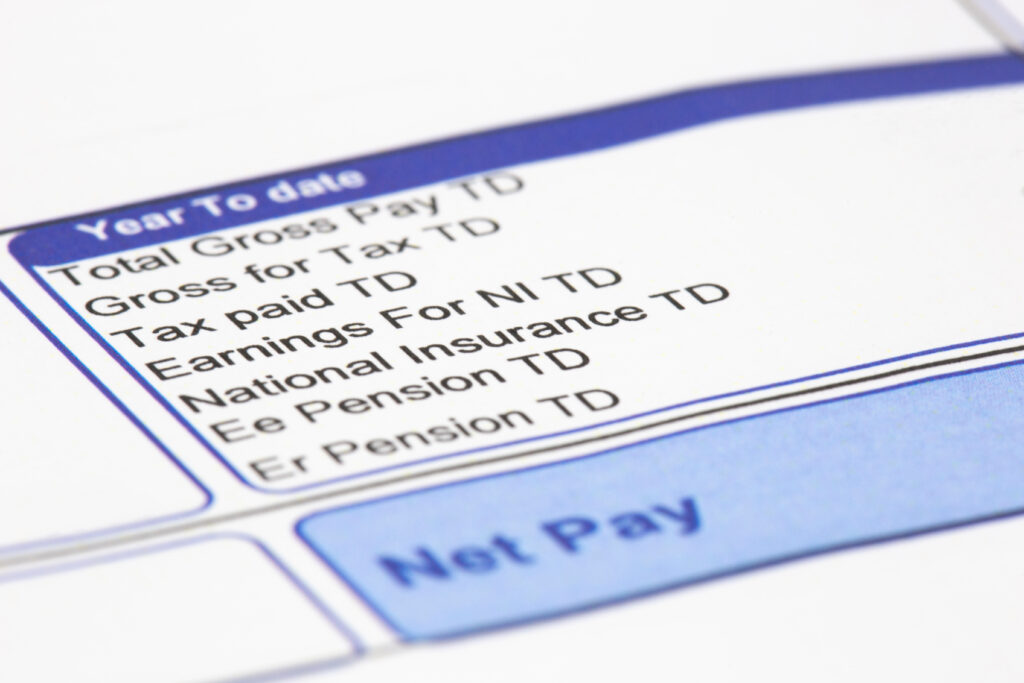
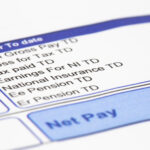
Your payslip is one of the most important documents you receive.
Each month, check:
-
Your hours and rate
-
All deductions are clearly labelled
-
Holiday pay is shown correctly
-
There are no unexplained charges
If something does not look right, query it straight away. Reputable umbrella companies are happy to explain your pay.
Choose the Right Umbrella Company
Good tax planning starts with working with the right provider.
A trustworthy umbrella company will:
-
Be fully PAYE compliant
-
Offer clear, simple payslips
-
Never promise inflated take-home pay
-
Answer tax questions honestly
Transparency matters. Confusion usually benefits the wrong people.
Final Thoughts
Umbrella workers do not have access to complex tax planning, but that does not mean you are powerless. Understanding how PAYE works, checking your tax code, using pensions properly, and avoiding risky schemes can all help you keep control of your income.
The safest approach is always compliance, clarity, and choosing umbrella companies that put workers first.