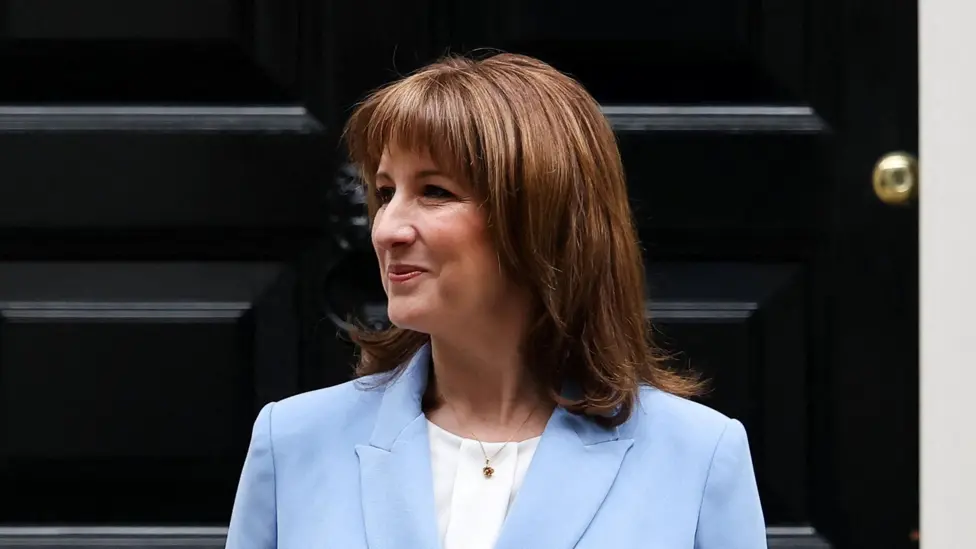









































































The Spring Forecast 2026 UK provides an updated view of the country’s economic outlook, with projections for growth, inflation, employment and government borrowing. Delivered by Chancellor Rachel Reeves, the forecast focuses on the latest figures from the Office for Budget Responsibility (OBR) rather than announcing major policy changes.
For contractors, freelancers and umbrella company workers, the Spring Forecast offers valuable insight into the direction of the UK economy and what the next few years could mean for hiring demand, living costs and financial stability.
UK Economic Growth Forecast for 2026
The latest projections suggest that economic growth will remain modest in the short term before improving later in the decade.
The UK economy is expected to grow by 1.1% in 2026, followed by 1.6% growth in both 2027 and 2028, before stabilising at around 1.5% towards the end of the forecast period.
Although these figures show gradual improvement, they also reflect ongoing global uncertainty and the lasting impact of recent inflation and higher interest rates.
For businesses and contractors, slower growth typically means a cautious approach to hiring and investment. However, steady growth can still create opportunities for skilled professionals in sectors that rely on flexible workers.
Inflation Forecast: Signs of Stabilisation
One of the most significant developments in the Spring Forecast 2026 is the outlook for inflation.
Consumer Price Index inflation is forecast to reach 2.3% in 2026, before returning to the Bank of England’s 2% target from 2027 onwards.
Lower inflation could provide relief for households after several years of rising living costs. If inflation continues to ease, real wages may start to grow again as earnings increase faster than prices.
For contractors and umbrella company employees, this could help improve purchasing power and financial stability.
UK Government Borrowing and Public Finances
The forecast also outlines improvements in government borrowing over the coming years.
Public sector borrowing is expected to decline from £132.7 billion in 2025/26 to approximately £59 billion by 2030/31.
Borrowing as a share of the economy is also projected to fall steadily, dropping from 4.3% of GDP to around 1.6% during the same period.
While borrowing levels are falling, the government will still face pressure to manage spending carefully as national debt remains high.
UK Debt Levels Remain Elevated
Despite improving borrowing figures, the UK’s overall debt burden remains significant.
Public sector debt is forecast to remain close to 95% of GDP for much of the forecast period, peaking slightly before gradually declining later in the decade.
High debt levels mean future fiscal decisions could remain cautious, particularly when balancing spending priorities such as defence, infrastructure and public services.
UK Jobs Outlook and Labour Market Trends
The labour market is also expected to shift over the next few years.
According to the forecast, unemployment is expected to rise slightly before peaking later in 2026. After this, it is predicted to fall gradually, reaching around 4.1% by the end of the decade.
For the contractor market, labour market trends are a key indicator. A stable or improving employment outlook often leads to increased demand for contractors, particularly in specialist roles where businesses require flexible expertise.
Global Risks Facing the UK Economy
Although the forecast outlines a relatively stable outlook, global events could still influence the UK economy.
Geopolitical tensions, including ongoing conflict in the Middle East, have been identified as potential risks that could affect energy prices and inflation.
If global energy costs increase or supply chains are disrupted, inflation could remain higher for longer, potentially slowing economic growth.
Business Reactions to the Spring Forecast
Business organisations have responded cautiously to the forecast.
Groups such as the Confederation of British Industry and the British Chambers of Commerce welcomed the government’s focus on economic stability but warned that businesses still face significant pressures from energy costs, employment costs and taxation.
Small business groups have also called for further support if economic conditions worsen or if energy prices rise again.
What the Spring Forecast Means for Contractors
For contractors working through umbrella companies, the Spring Forecast offers several important insights.
First, the UK economy is expected to continue growing, albeit slowly. This suggests that demand for contractors should remain steady, particularly in sectors where businesses rely on flexible workforces.
Second, falling inflation could gradually improve living standards as price increases slow.
Finally, the Spring Forecast included no major tax or policy changes, meaning the current tax and employment environment for contractors remains largely unchanged for now.
However, further announcements are likely in the Autumn Budget, which traditionally includes more significant fiscal measures.
Final Thoughts on the UK Economic Outlook
The Spring Forecast 2026 UK presents a cautiously optimistic view of the economy. Growth is expected to remain steady, inflation is forecast to return to target levels, and government borrowing should gradually fall over the coming years.
For contractors and umbrella company workers, the outlook suggests a stable economic environment, although global risks and future policy decisions could still shape the market.
Staying informed about economic forecasts and upcoming fiscal announcements will remain important for contractors planning their finances and careers in the years ahead.