





































































Contractors working through umbrella companies often have questions about employment benefits. Two of the most common areas of confusion involve sick pay and holiday pay.
Unlike limited company contractors, umbrella workers are technically employees. Therefore, they receive certain employment rights under UK law. However, these benefits operate differently compared with traditional full-time employment.
In this guide, we explain how sick pay and holiday pay work under umbrella companies and what contractors should look for when reviewing their payslips.
How Sick Pay Works Under Umbrella Companies
Umbrella employees qualify for Statutory Sick Pay (SSP) if they meet certain criteria. SSP is the minimum level of sick pay employers must provide under UK employment law.
To qualify, contractors must:
-
Be classed as an employee of the umbrella company
-
Earn at least the Lower Earnings Limit
-
Be off sick for at least four consecutive days
Once these conditions are met, SSP can begin from the fourth day of illness.
As of the current tax year, SSP is paid weekly for up to 28 weeks.
However, contractors should understand that SSP is significantly lower than typical contractor earnings. As a result, many contractors choose to arrange personal income protection insurance to cover extended illness periods.
Why Sick Pay Can Be Limited for Contractors
Unlike salaried employees in permanent roles, umbrella contractors often experience gaps between assignments. This can affect SSP eligibility.
For example:
-
If a contract ends while a contractor is sick, SSP eligibility may change.
-
If weekly earnings fall below the threshold, SSP may not apply.
Therefore, contractors should review their employment status and earnings carefully when planning for illness.
Additionally, contractors should report sickness to their umbrella company promptly. Doing so ensures payroll teams can record the absence correctly.
How Holiday Pay Works for Umbrella Contractors
Holiday pay is another key benefit for umbrella employees. Under UK law, workers receive 5.6 weeks of paid annual leave per year.
However, umbrella companies typically calculate holiday pay differently from traditional employers.
Instead of paying fixed salary during leave periods, umbrellas usually accrue holiday pay from contract earnings.
In most cases, the holiday accrual rate equals roughly 12.07% of taxable pay.
This percentage represents the proportion of annual leave compared with working weeks.
Two Common Holiday Pay Methods
Umbrella companies generally operate one of two holiday pay models.
Accrued Holiday Pay
Under this approach:
-
Holiday pay builds up gradually from contractor earnings.
-
Contractors request payment when they take leave.
-
The umbrella releases funds from the accrued balance.
This method ensures holiday pay remains available when contractors actually take time off.
Advanced Holiday Pay
Some umbrella companies offer advanced holiday pay.
With this model:
-
Holiday pay is added to each payslip.
-
Contractors receive the money immediately rather than saving it.
However, contractors should remember that advanced holiday pay means they will not receive extra pay during leave periods.
Therefore, budgeting becomes important if contractors plan extended breaks between assignments.
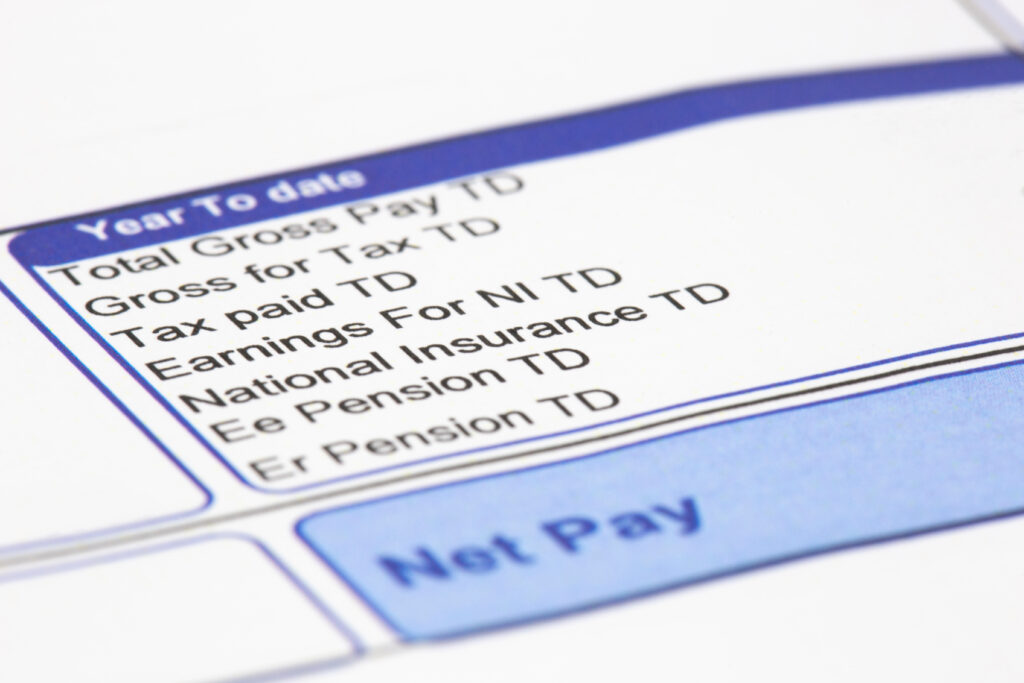
How Holiday Pay Appears on Umbrella Payslips
A transparent umbrella company should clearly show holiday pay on payslips.
Typically, you will see:
-
Holiday pay accrued
-
Holiday pay paid
-
Remaining holiday balance
This transparency helps contractors track their entitlement. To understand how this varies across umbrella companies, we have a useful article on Umbrella Company Pay Comparisons.
Why Some Contractors Miss Out on Holiday Pay
Although holiday pay belongs to the contractor, problems can arise if it remains unclaimed.
For example:
-
Some contractors forget to request accrued holiday pay before leaving an umbrella.
-
Others assume it will be automatically paid.
In reality, policies vary between providers.
Therefore, contractors should always check how their umbrella handles unused holiday balances at the end of employment.
Understanding Your Rights as an Umbrella Employee
Even though contractors operate through temporary assignments, employment law still applies.
Umbrella workers generally have rights including:
-
Statutory Sick Pay eligibility
-
Holiday pay entitlement
-
Workplace pension enrolment
-
Payslip transparency
Understanding these rights helps contractors identify compliant umbrella providers.
What Contractors Should Check Before Joining an Umbrella
Before choosing an umbrella company, contractors should review several key policies.
Specifically check:
-
How holiday pay is calculated
-
Whether holiday pay is accrued or advanced
-
Sick pay eligibility rules
-
Payslip transparency
Additionally, contractors should confirm how unused holiday pay is handled when contracts end.
These details help avoid confusion later.
Final Thoughts
Sick pay and holiday pay form an important part of umbrella employment. While these benefits differ from traditional salaried roles, they still provide valuable protections for contractors.
Understanding how these payments work allows contractors to:
-
Plan time off more effectively
-
Avoid losing accrued holiday pay
-
Ensure their umbrella company operates transparently
Ultimately, informed contractors can make better decisions about the umbrella companies they choose.