






































































The umbrella company sector plays a crucial role for thousands of UK contractors, but it’s also an area where non-compliance, payroll manipulation, and disguised remuneration schemes remain widespread. When you believe something is wrong with your umbrella company, the situation can feel daunting. Many contractors worry about whether reporting it will affect their current role, whether HMRC will take their complaint seriously, or whether they even have enough evidence.
The reality is that HMRC actively encourages workers to report any suspected misconduct — and doing so is often the first step in protecting both your own finances and contractors across the wider labour market. This guide explains how to identify umbrella company misconduct, what evidence to gather, how to submit a report to HMRC, and what happens afterward.
1. What Counts as “Umbrella Company Misconduct”?
Before reporting anything to HMRC, it’s essential to understand what misconduct actually looks like in the umbrella sector. Many issues start small — a confusing payslip, a missing holiday payment, an unexpected deduction — but these can be symptoms of much deeper compliance failings. HMRC categorises a broad range of behaviours as misconduct, from basic payroll errors to deliberate tax avoidance.
Common types of umbrella misconduct include:
-
Incorrect or unclear payroll deductions (unexplained employment costs, shifting margins, disguised charges).
-
Holiday pay manipulation, including withholding, rolling-up, or failing to show clear accrual.
-
Delayed or inconsistent payments, especially if wage figures don’t match your timesheets.
-
Disguised remuneration schemes, such as loan payments, offshore arrangements, or artificially boosted take-home pay.
-
Mini-umbrella or ghost payroll structures, designed to reduce tax and obscure PAYE responsibilities.
-
Failure to provide proper contracts, KIDs, payslips, or employment documentation.
If your umbrella is doing any of the above, HMRC considers it misconduct worth reporting.
2. What Evidence You Should Gather Before Reporting
HMRC relies heavily on evidence, so taking time to collect the right documents significantly improves the strength of your report. Even if you don’t have everything, gathering clear, factual information will help HMRC build a more accurate picture of what is happening.
Key documents to collect include:
-
Your umbrella employment contract, showing expected pay structure and deductions.
-
Your Key Information Document (KID), to compare against what you’re actually paid.
-
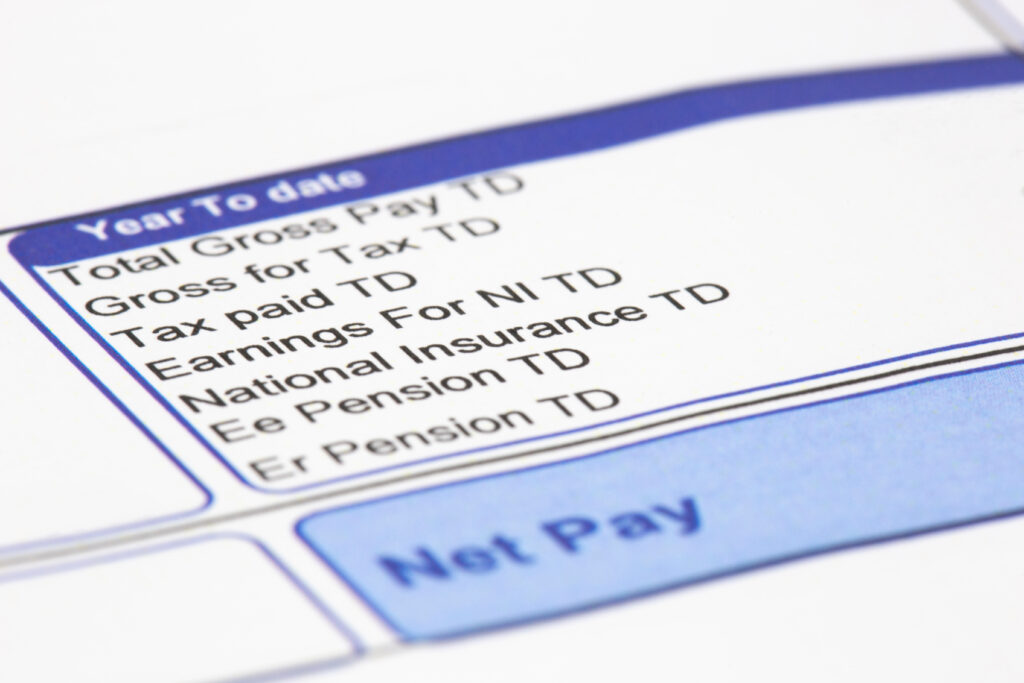
Payslips, highlighting unusual deductions, missing holiday pay, or incorrect tax.
-
Bank statements, confirming you’re not being underpaid or paid via unusual channels.
-
Screenshots, emails, and messages showing suspicious behaviour, instructions, or claims.
-
Marketing materials promising unrealistic take-home percentages or “tax-efficient” pay.
Even simple inconsistencies can reveal wider issues when HMRC reviews the evidence.
3. How to Report Umbrella Company Misconduct to HMRC — Step-by-Step
Once you have the right documents, reporting misconduct to HMRC is a straightforward process. You don’t need legal knowledge or proof of wrongdoing — just honest detail about what you’ve experienced.
Follow these steps:
Step 1: Use HMRC’s online reporting tool
HMRC’s dedicated form allows contractors to report suspected payroll fraud, disguised remuneration, or non-compliant umbrella behaviour. It can be completed anonymously.
Report tax fraud or avoidance to HMRC – GOV.UK
Step 2: Provide details about the umbrella company
Include the umbrella’s name, trading names, website, company number, and address if known. HMRC welcomes reports even if you only have partial information.
Step 3: Upload your evidence
Attach scans, PDFs, or photos of payslips, bank statements, contracts, or marketing materials. These documents help HMRC spot patterns linked to broader investigations.
Step 4: Submit the report
Once submitted, HMRC reviews your information, cross-references it with existing intelligence, and decides whether to launch an investigation or escalate the case.
Step 5: Protect yourself after reporting
Your identity is protected unless you choose otherwise. You can also switch umbrellas at any time if you no longer trust your current provider.
4. Should You Also Inform Your Recruitment Agency?
Many contractors forget that agencies have regulatory responsibilities too, especially when it comes to the umbrellas on their Preferred Supplier Lists. If your umbrella is behaving suspiciously, the agency needs to know — not just for your protection, but to prevent other contractors from being affected.
Reasons to inform your agency include:
-
Breach of the KID compared to your actual pay.
-
Holiday pay issues that violate agency policies.
-
Deductions or schemes that fall outside accepted standards.
-
Pressuring contractors to join a particular umbrella.
Recruitment agencies can take immediate action, including suspending or removing umbrellas from their PSLs.
5. What Happens After HMRC Receives Your Report?
Many contractors worry that nothing will happen after they submit a report — but every submission adds to HMRC’s intelligence on the umbrella sector. HMRC uses these reports to detect patterns, identify risk indicators, and escalate cases where misconduct is widespread.
After you submit your report, HMRC may:
-
Launch a PAYE audit into the umbrella’s payroll.
-
Investigate directors and associated companies.
-
Freeze or shut down non-compliant payroll schemes.
-
Issue warning notices or add the scheme to a public avoidance list.
-
Work with agencies to remove the umbrella from the labour supply chain.
While you might not receive updates, your report is still a valuable part of the enforcement process.
6. When It’s Time to Switch Umbrella Companies
Not all umbrellas are worth staying with — and some require an immediate switch for your own protection. If you spot recurring mistakes, poor transparency, unusual deductions, or anything that resembles a disguised remuneration scheme, moving to a compliant umbrella is the best option.
Signs it’s time to switch include:
-
Unexplained or increasing deductions.
-
No holiday pay, or pay that is withheld without clarity.
-
Loan arrangements or “advanced” wage structures.
-
Poor customer service or refusal to explain payslips.
-
Pressure to sign new tax-related documents you don’t understand.
Switching is easy — request your P45 and choose a reputable, transparent umbrella company from our list of Top 10 Umbrella Companies.