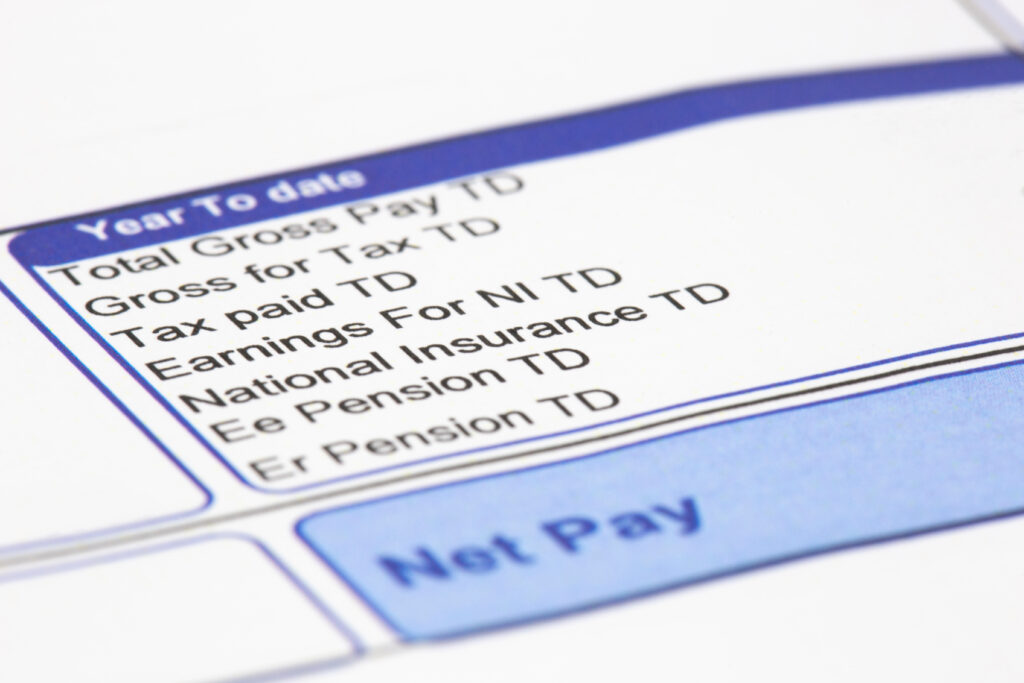








































































If you’ve recently started working through an umbrella company, your payslip might feel harder to understand than a standard one. That’s completely normal. Umbrella payslips include more steps because they show how your contract income is turned into a salary under PAYE.
Once you understand the structure, it becomes much easier to follow. This article explains each part in plain terms so you can see exactly where your money goes and check that everything is correct.
Why Umbrella Payslips Look Different
When you work through an umbrella company, you are an employee of that company. Your agency pays the umbrella company your full contract rate, and then the umbrella processes your pay through payroll.
This means your payslip includes both employer and employee deductions. That’s why the figures can look lower than expected at first glance.
Start With the Assignment Rate
At the top of your payslip, you’ll usually see your assignment rate. This is the total amount paid by your agency to the umbrella company for your work.
It’s important to understand that this is not your salary. Think of it as the starting point before any costs are taken out.
The Umbrella Company Margin
Next, you’ll see the umbrella company’s margin. This is their fee for managing your payroll, handling tax, and staying compliant with UK regulations.
It’s usually a fixed weekly or monthly amount. While it reduces your overall pay slightly, it covers the administration that allows you to work as a contractor without running your own limited company.
Employer Costs Explained
This is the part that causes the most confusion. Before your salary is calculated, the umbrella company must deduct employer costs from the assignment rate.
These typically include employer’s National Insurance and the Apprenticeship Levy. If you are enrolled in a pension, employer pension contributions may also appear here.
Although these are called “employer costs,” they are still taken from the assignment rate, not added on top. This is why your gross pay is lower than the headline contract rate.
From Gross Pay to Taxable Income
After employer costs are deducted, the remaining amount becomes your gross taxable pay. This is the figure used to calculate your personal deductions.
At this stage, the payslip starts to look more familiar.
Employee Deductions
From your gross taxable pay, standard deductions are applied. These include income tax under PAYE and employee National Insurance.
Depending on your situation, you might also see pension contributions or student loan repayments. These are the same types of deductions you would see on any UK payslip.
Your Take-Home Pay
After all deductions are made, the final figure is your net pay. This is the amount that goes into your bank account.
While it may seem much lower than your original assignment rate, each step reflects a required cost or tax.
A Simple Example
To make it clearer, here’s a basic example.
If your assignment rate is £1,000, the umbrella company might deduct a small margin and employer costs first. This could bring your gross taxable pay down to around £800.
After income tax and National Insurance are applied, your final take-home pay might be around £600.
The exact numbers will vary, but the process is always similar.
What to Watch For
It’s important to review your payslip regularly. Look out for anything that doesn’t seem right, such as an incorrect tax code or deductions that seem unusually high.
Your tax code, in particular, can have a big impact on your take-home pay. If it’s wrong, you could end up paying too much tax.
If you’re unsure about anything, a reputable umbrella company should be able to explain each line clearly.
Why Understanding Your Payslip Matters
Taking the time to understand your payslip helps you stay in control of your finances. It allows you to spot mistakes early and avoid surprises when you’re paid.
It also gives you a clearer picture of how contracting through an umbrella company works, which can help you plan your income more effectively.
Final Thoughts
Reading an umbrella payslip might seem complicated at first, but it follows a clear structure. Once you understand the flow from assignment rate to net pay, the details start to make sense.
If you remember one thing, it’s this: your contract rate is not your salary. What you take home is the result of several necessary steps along the way.
By checking your payslip regularly and understanding each section, you can make sure everything is accurate and feel more confident about your earnings.